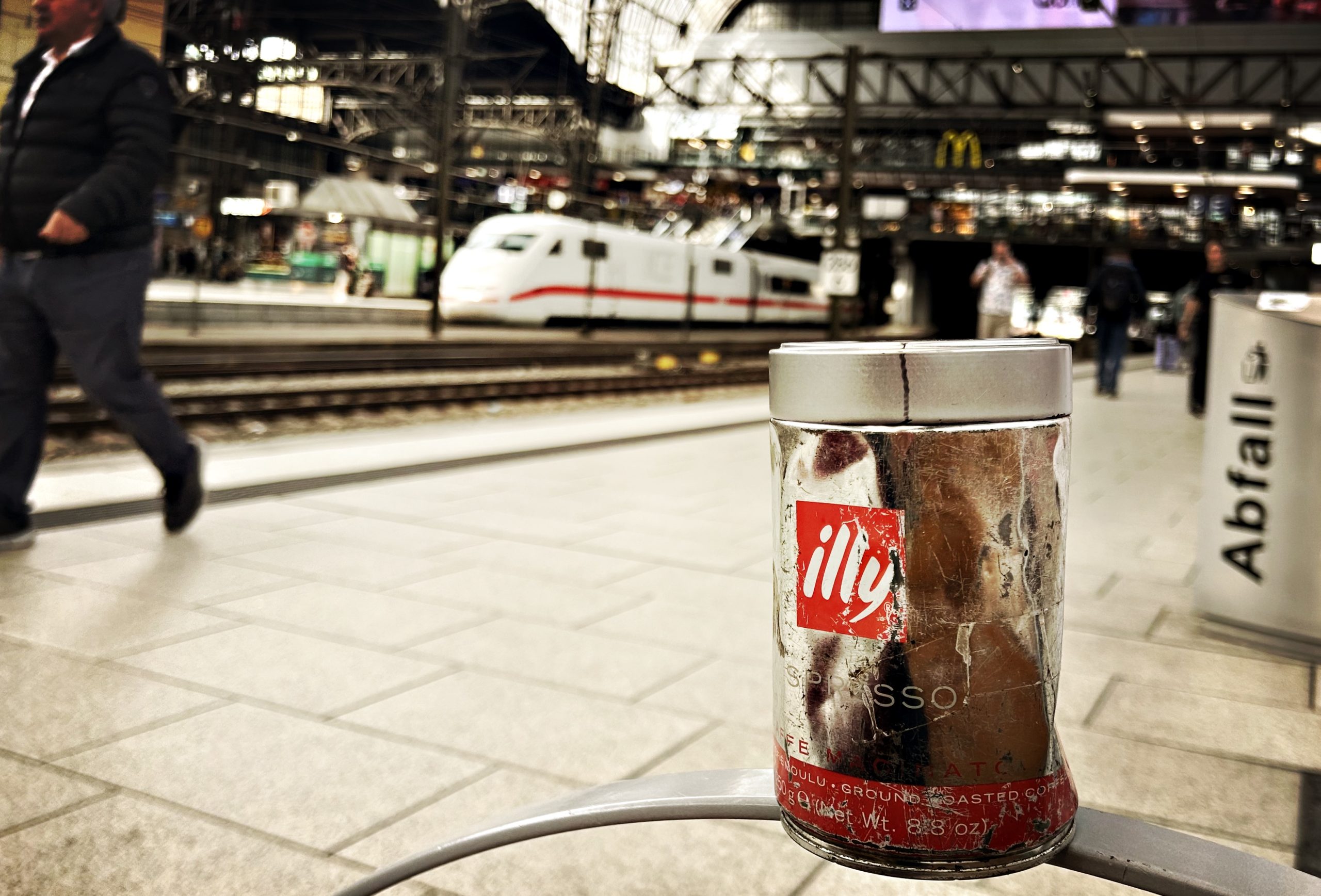
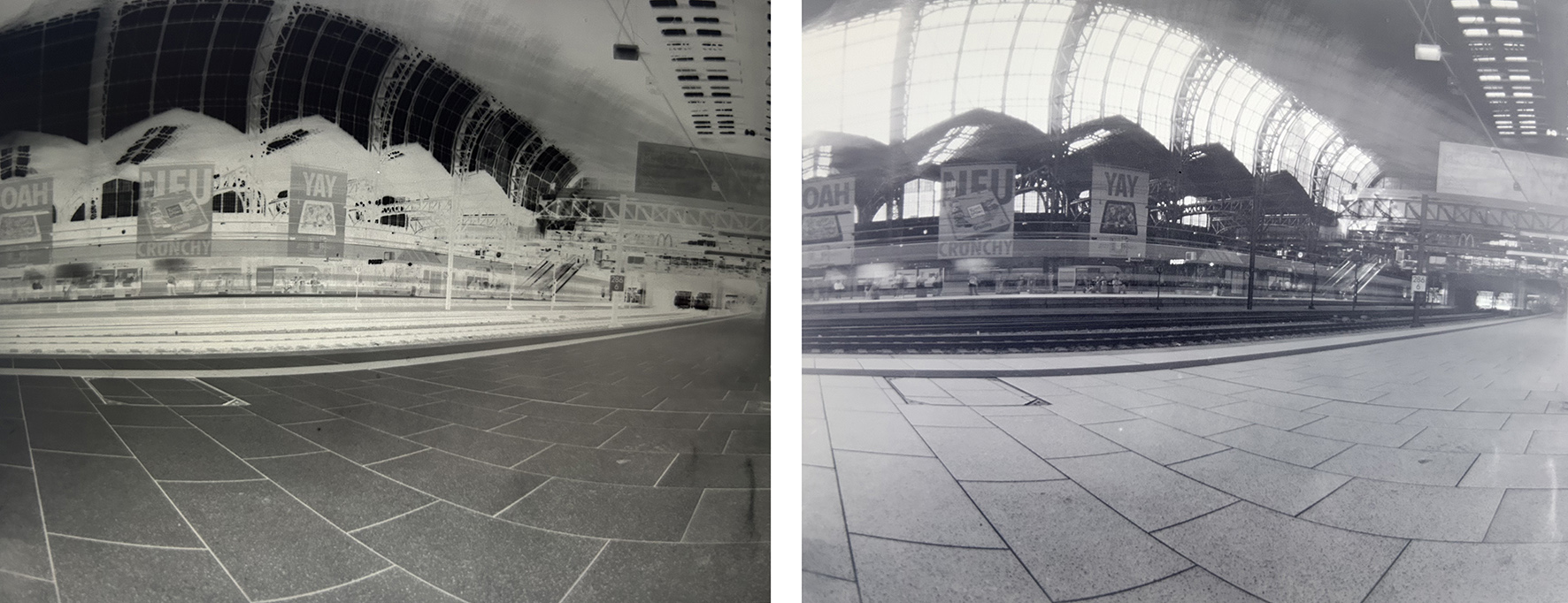
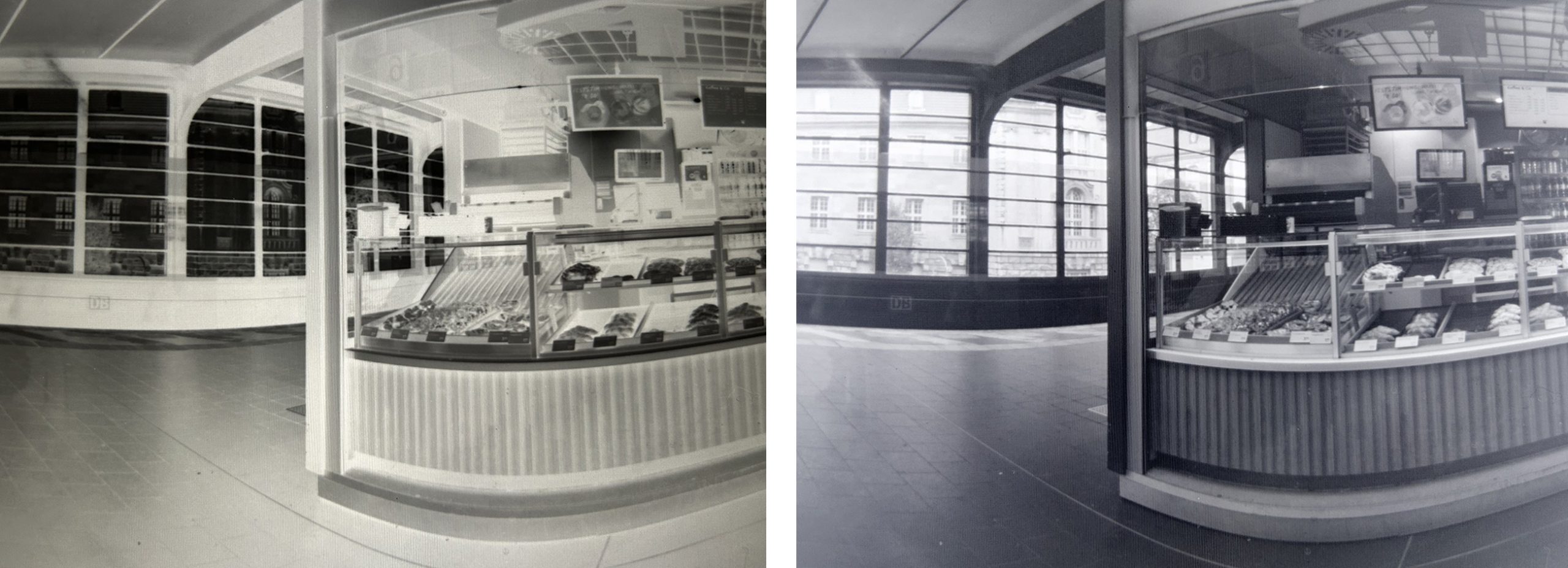
I begin to like taking pinhole photos in train stations!
Nobody cares about me and my Illy cam … I blur people.
unterwegs in Sachen Film >>> <<< on the road making films!
I begin to like taking pinhole photos in train stations!
Nobody cares about me and my Illy cam … I blur people.
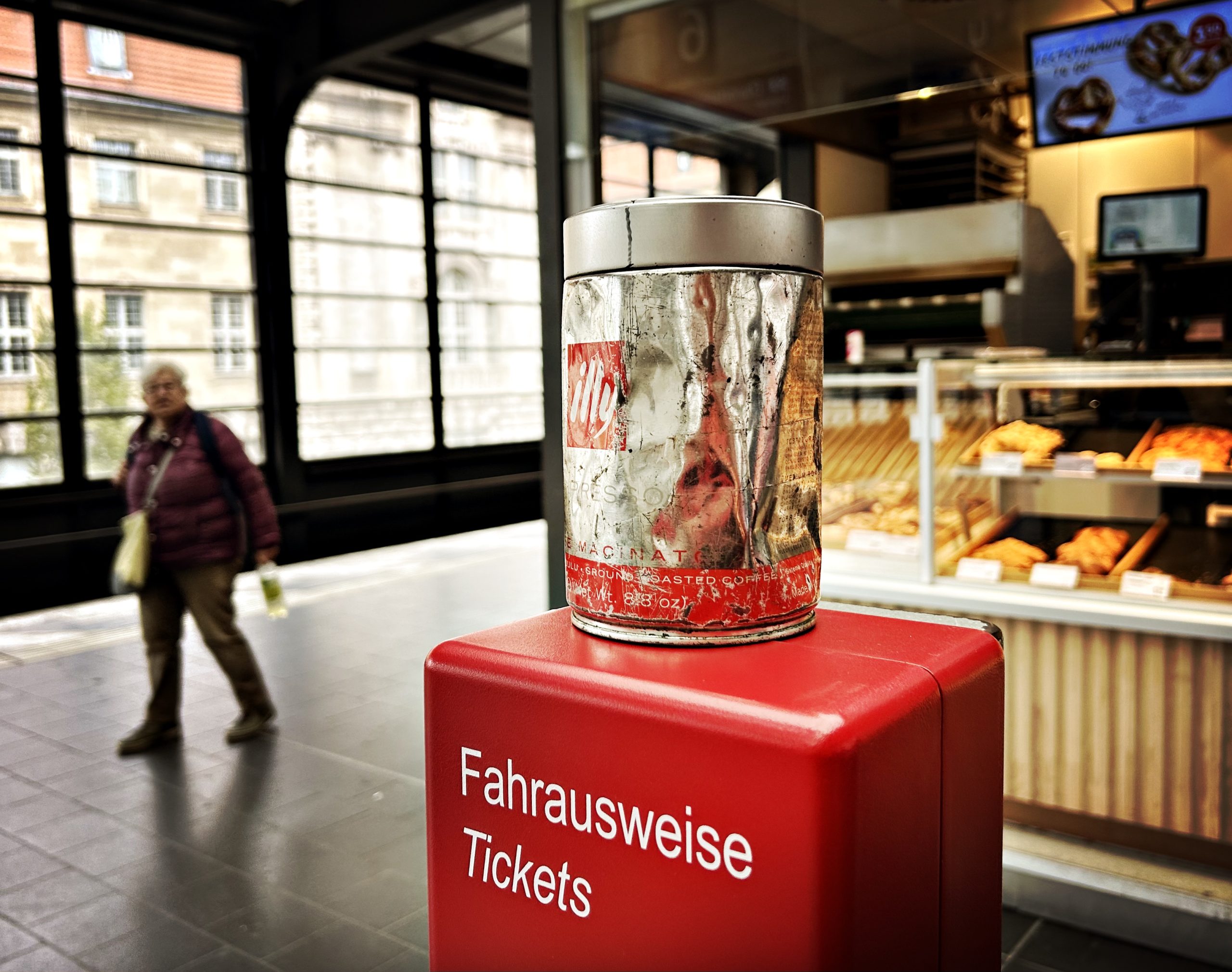
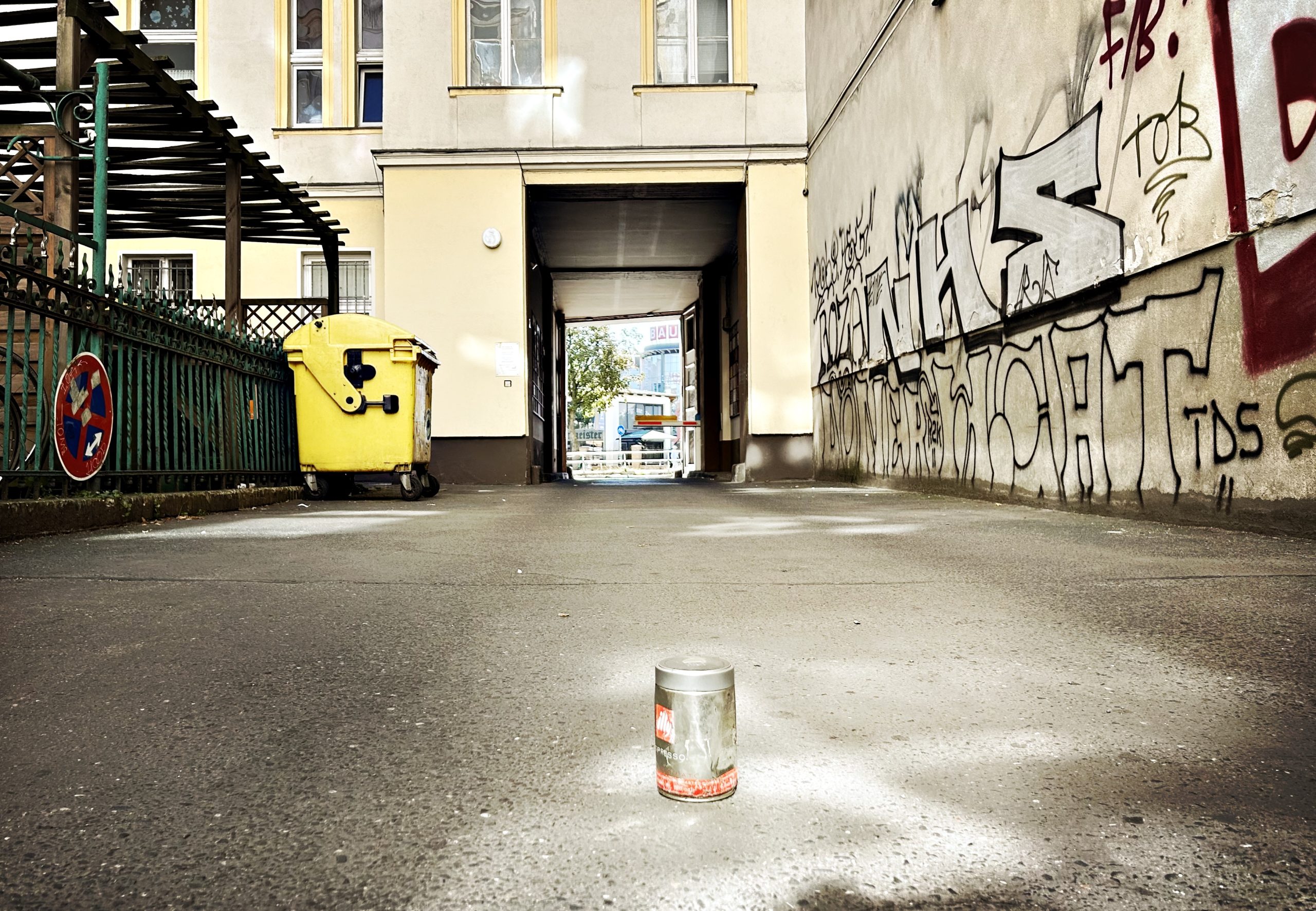
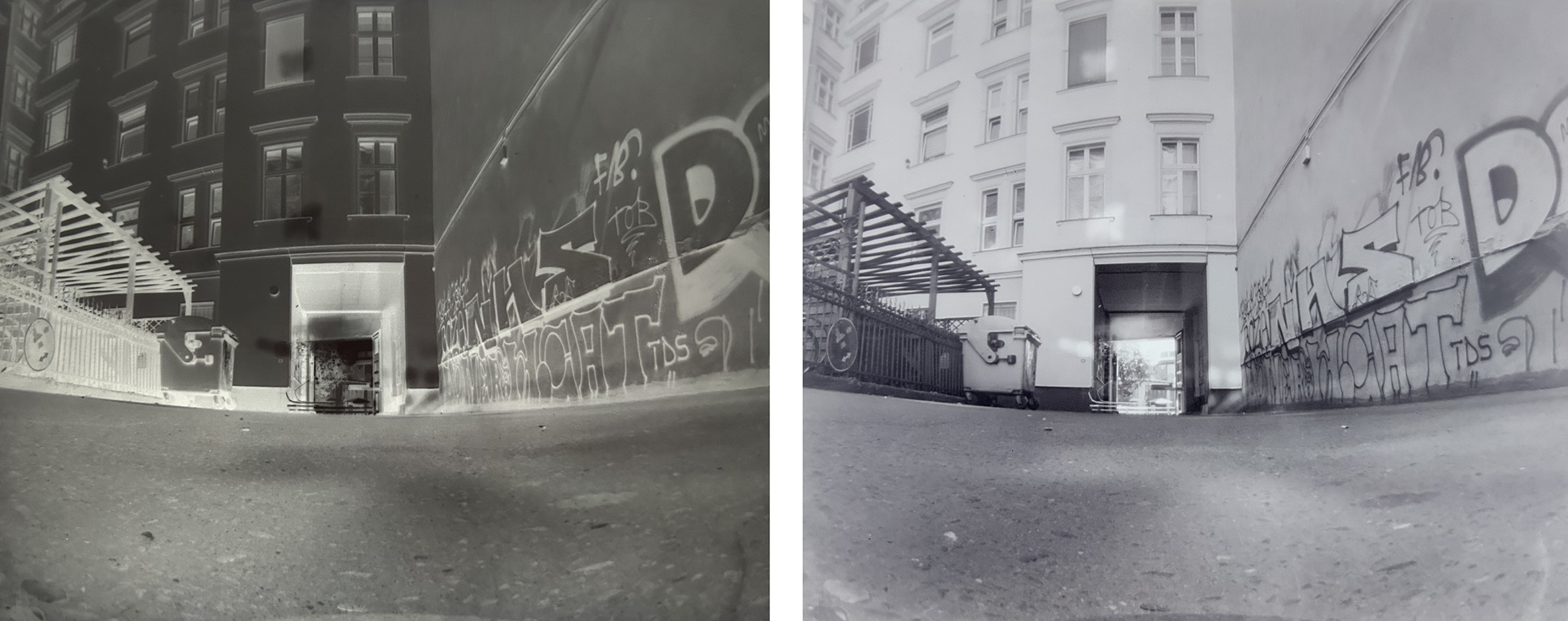
No sooner have I returned from the Lüneburg Heath than I’m off running around again – through my late-summer Berlin, through my red Berlin … and now I always carry my Illy pinhole camera with me. For the mundane, everyday scenes.
I’m drawing Heidschnucken / Heath Sheep because I haven’t seen any in real life, but I need them for the film … so if I can’t find them, I’ll just draw them myself!
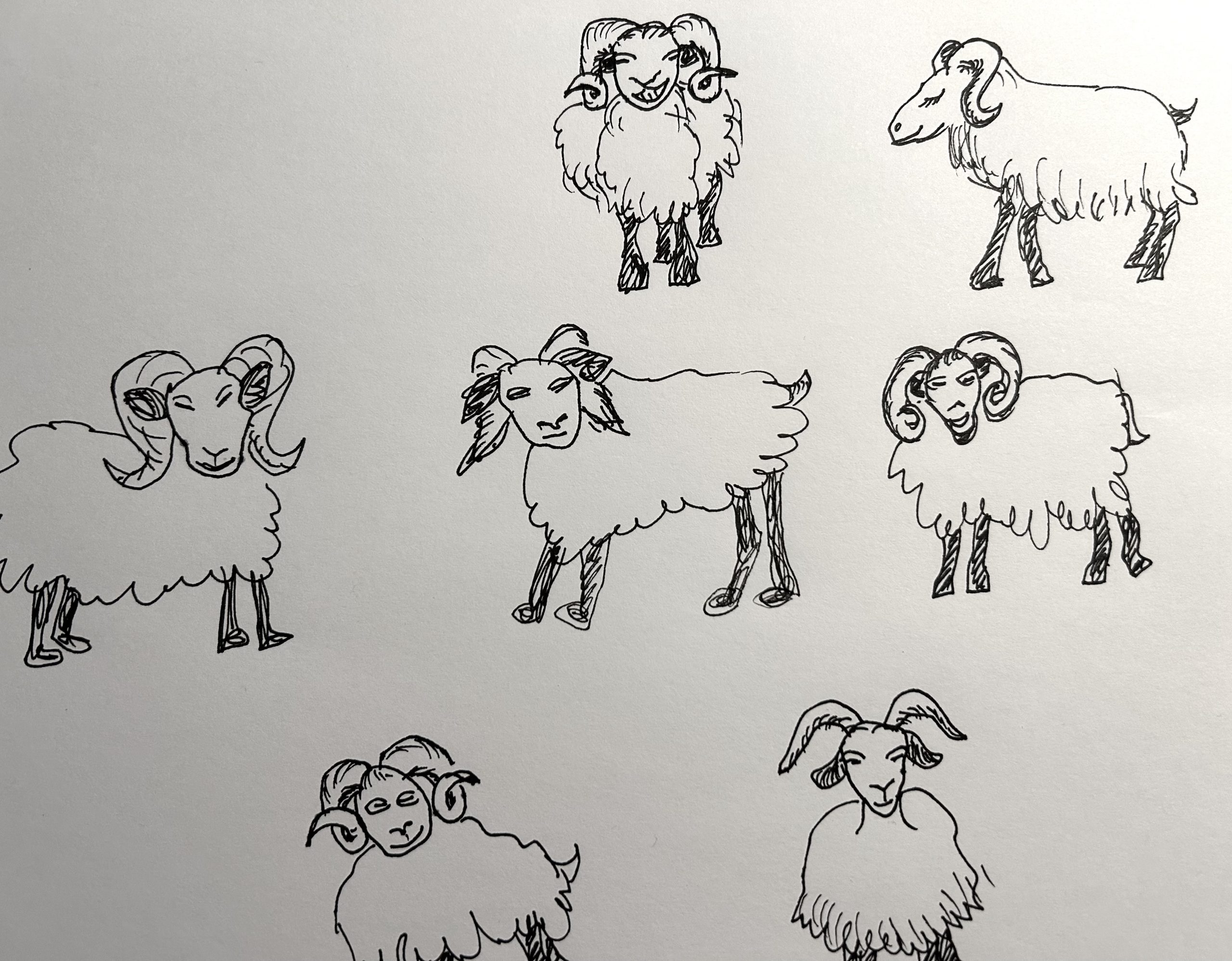
My friend Dorit says: “When I was a little girl, I thought Heidschnucken / Heath Sheep were called ‘Heizschnucken / Heat Sheep’!” So sweet – that’ll be quoted in the film.
Every child and every adult is longing for warmth and I’m a bit afraid of winter … but before it gets properly wintry, I’m off to Rome (did I mention that?!) … and after giving it some thought, I realise I definitely need to get back to the water, and I find it bubbling away in the Naiads / water nymphs fountains (sensual, naked, sexy Melusines lounging with swans and horses – the Vatican wanted to ban the fountain, but the citizens insisted on keeping it) … and then, of course, there’s the real sea, less than an hour away by regional train. I’m going to travel to Civitavecchia, which means ‘Old City’ (and so somehow fits with Zusamaltheim too!!!), an ancient city and a maritime gateway.
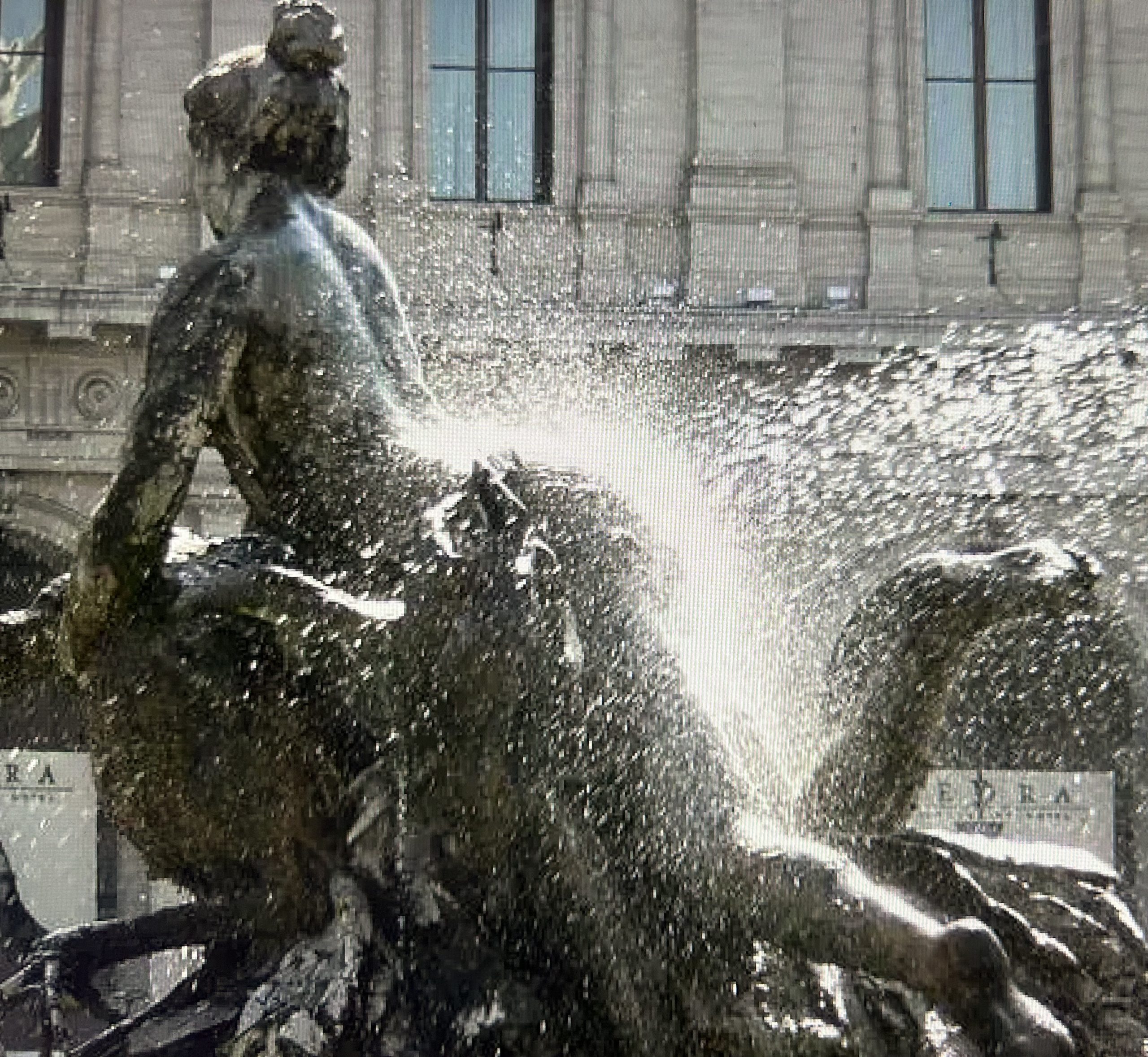
I have a feeling my film will come to an end there; the circle will be complete, the somersault will be somersaulted, and the universe will give me a wink. It’ll all kick off in early November!
And as I’m writing this (Saturday evening), I’m at Mum’s; we’re clearing out bits and bobs because she’s selling her house and moving into a smaller flat, and she’s turning … ta-daaaaaaa … 88! Happy birthday!!
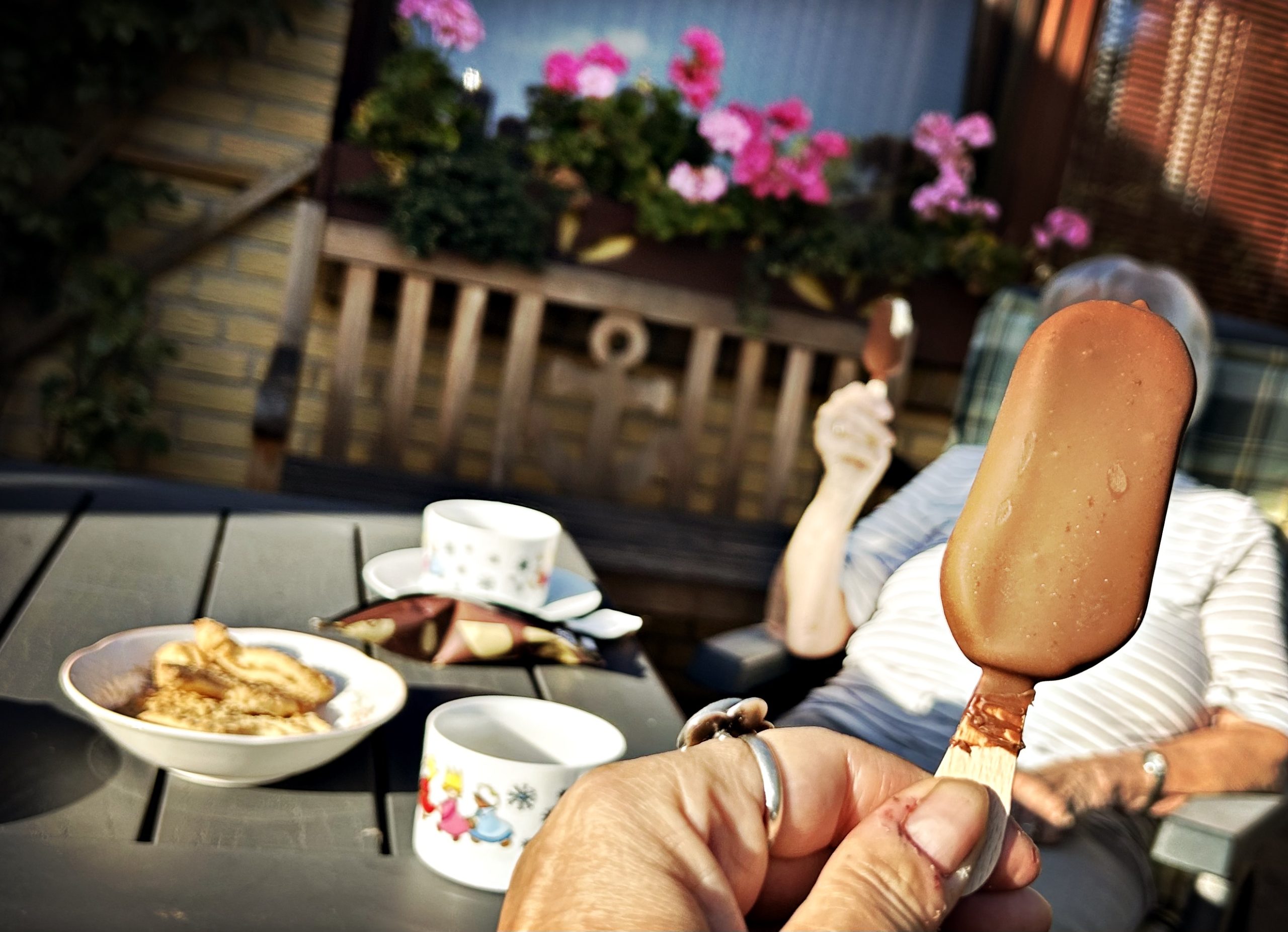
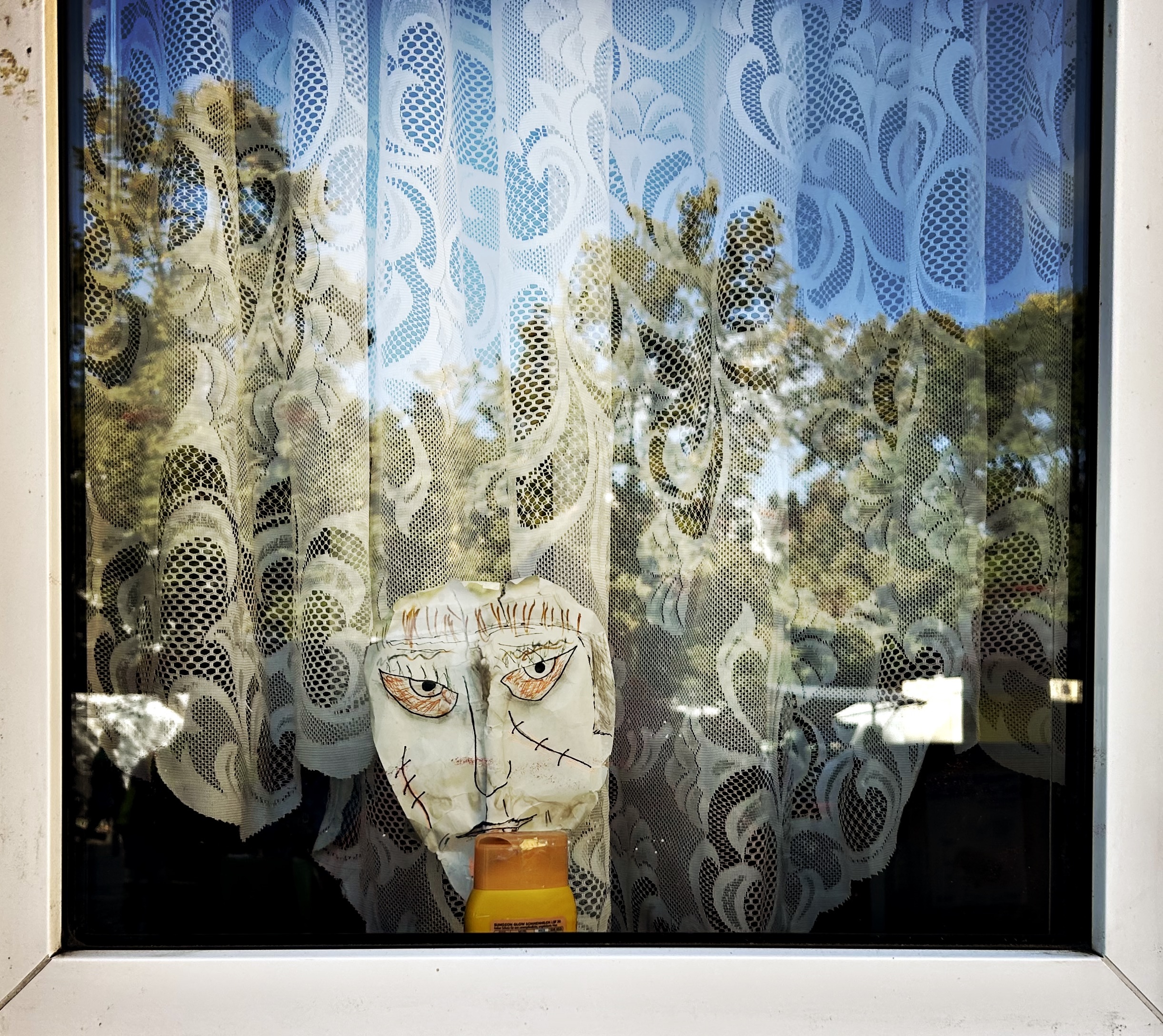
(seen in Berlin)

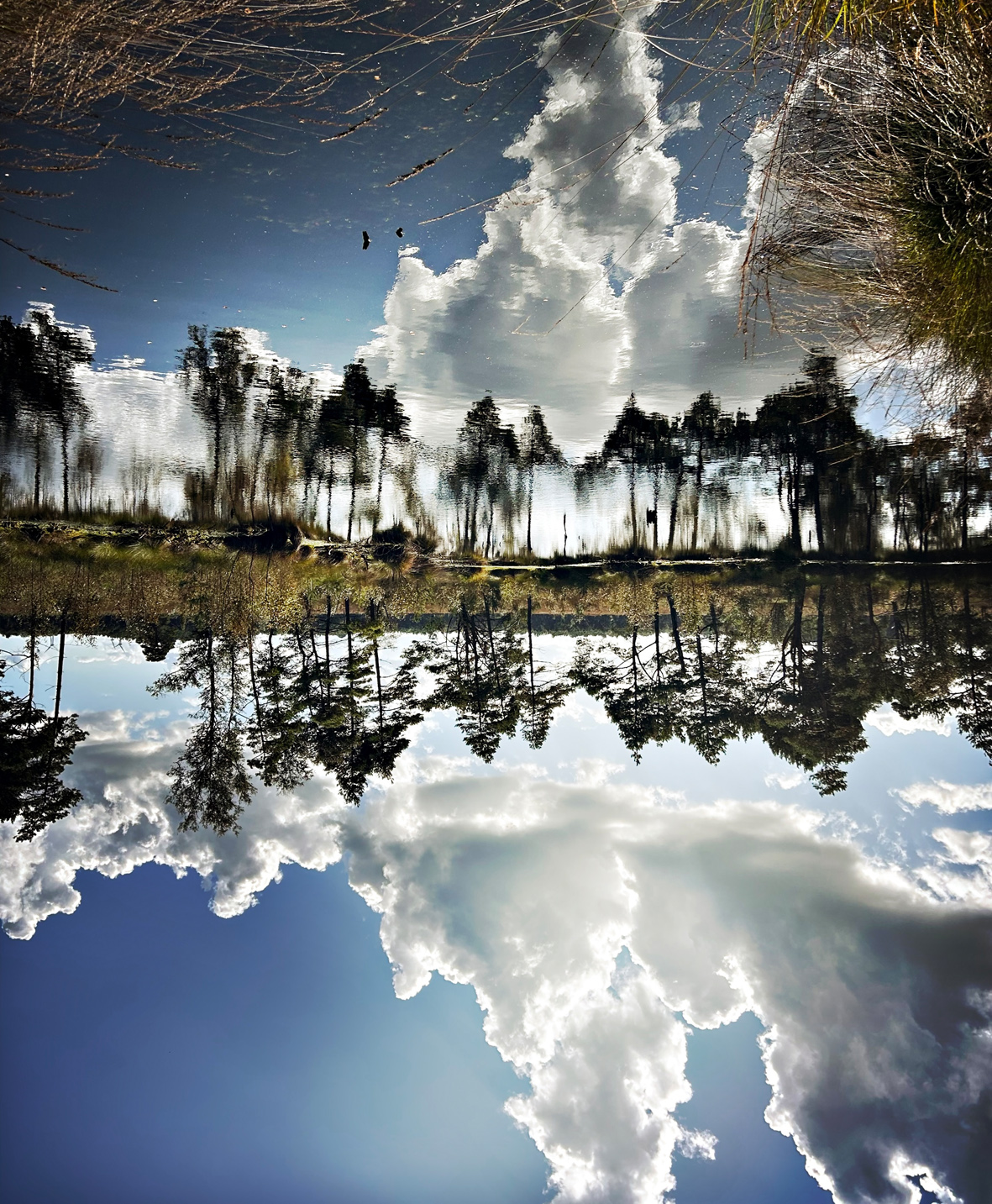
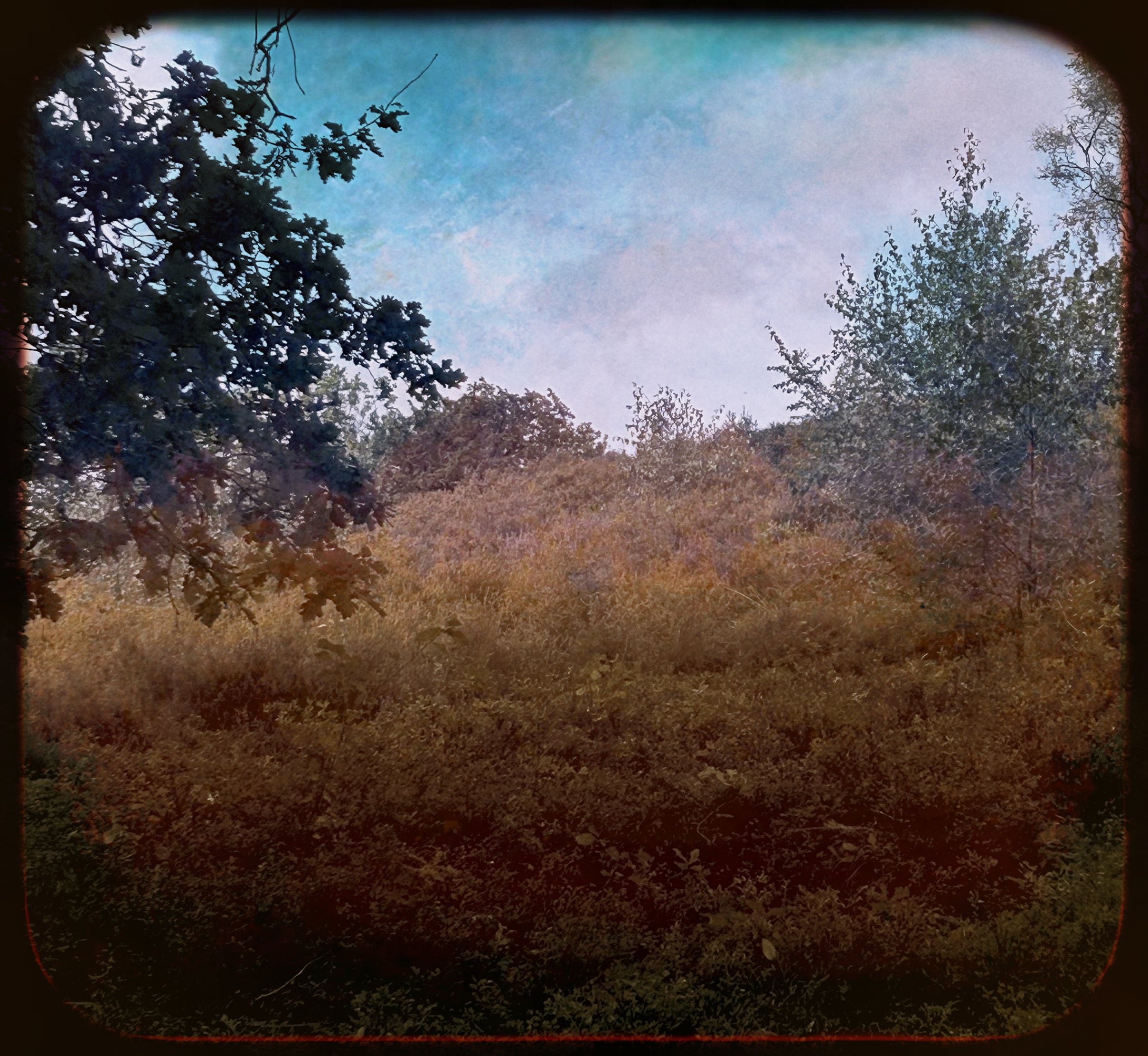
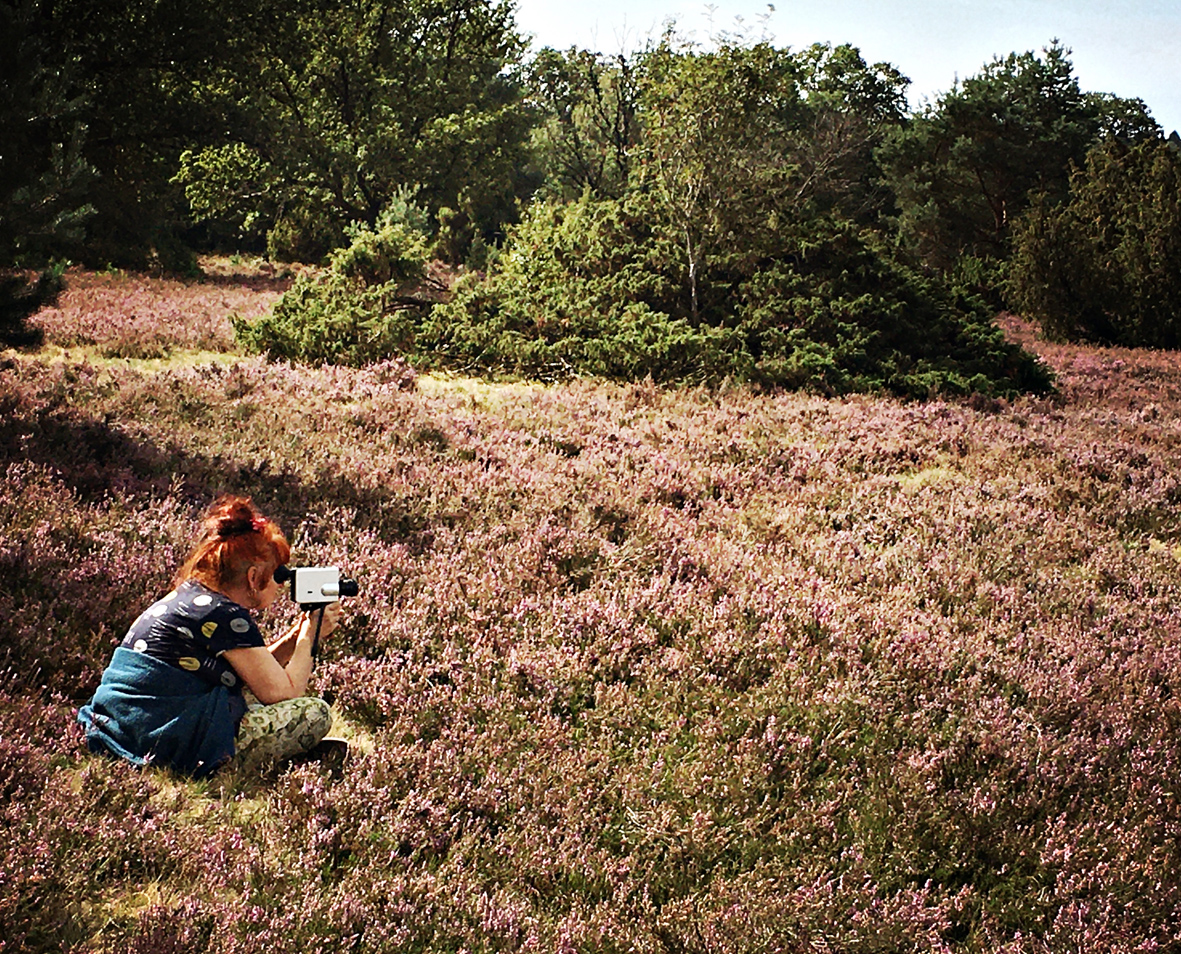
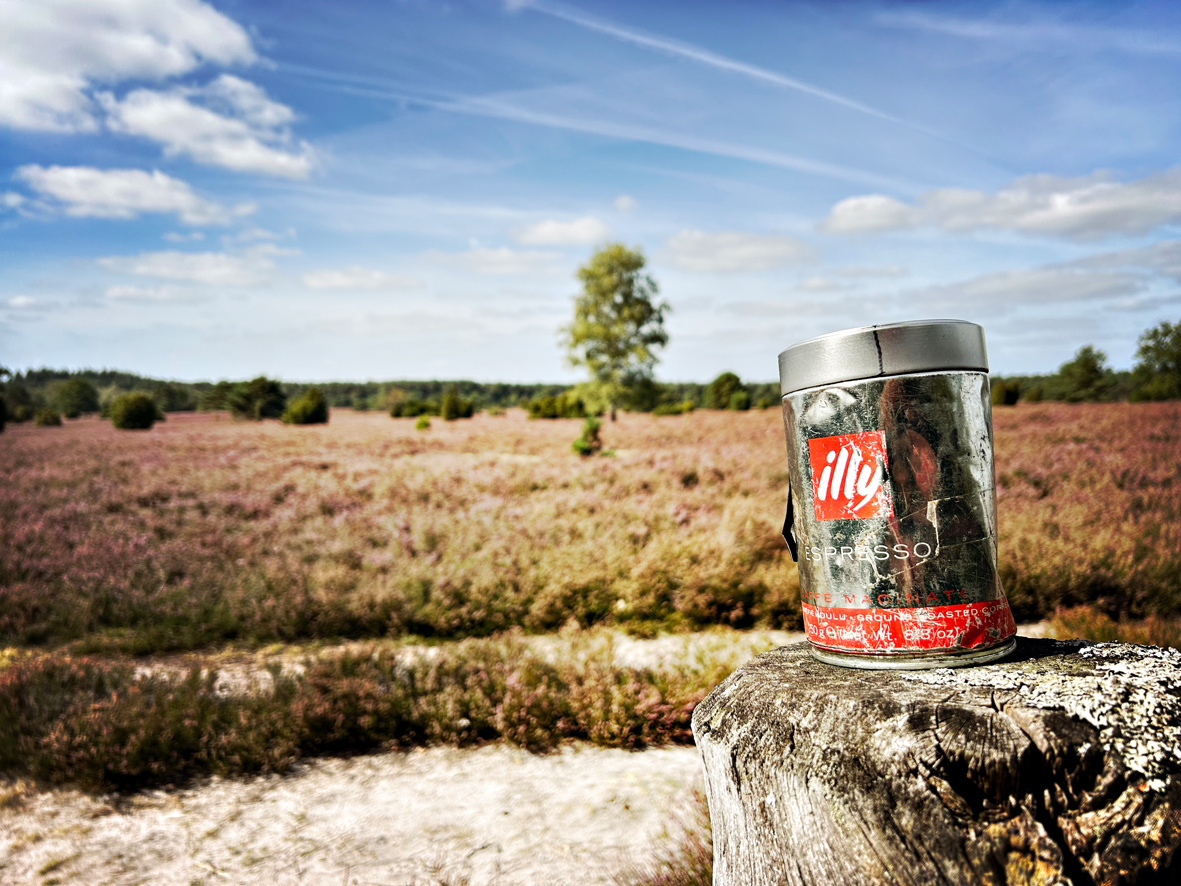
Beautiful Lüneberger Heide Moor, the Pietz-Moor.
Well, and so it turns out that the next stop for my film is … Rome!!
And this is how it happened: Lüneburg and the Lüneburg Heath provided me with lots of great images, information, Melusines … but not really any clue as to where to go next.
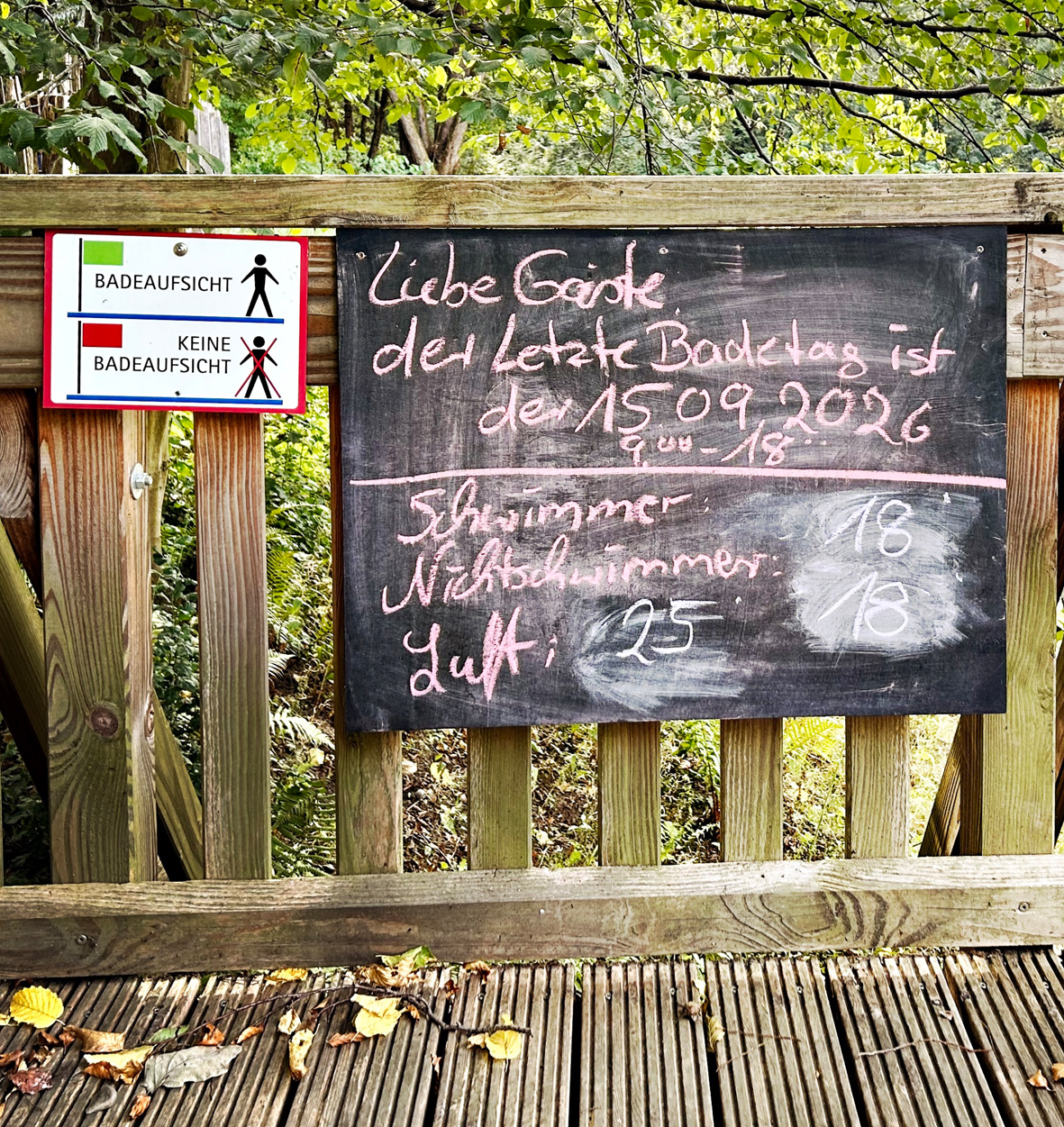
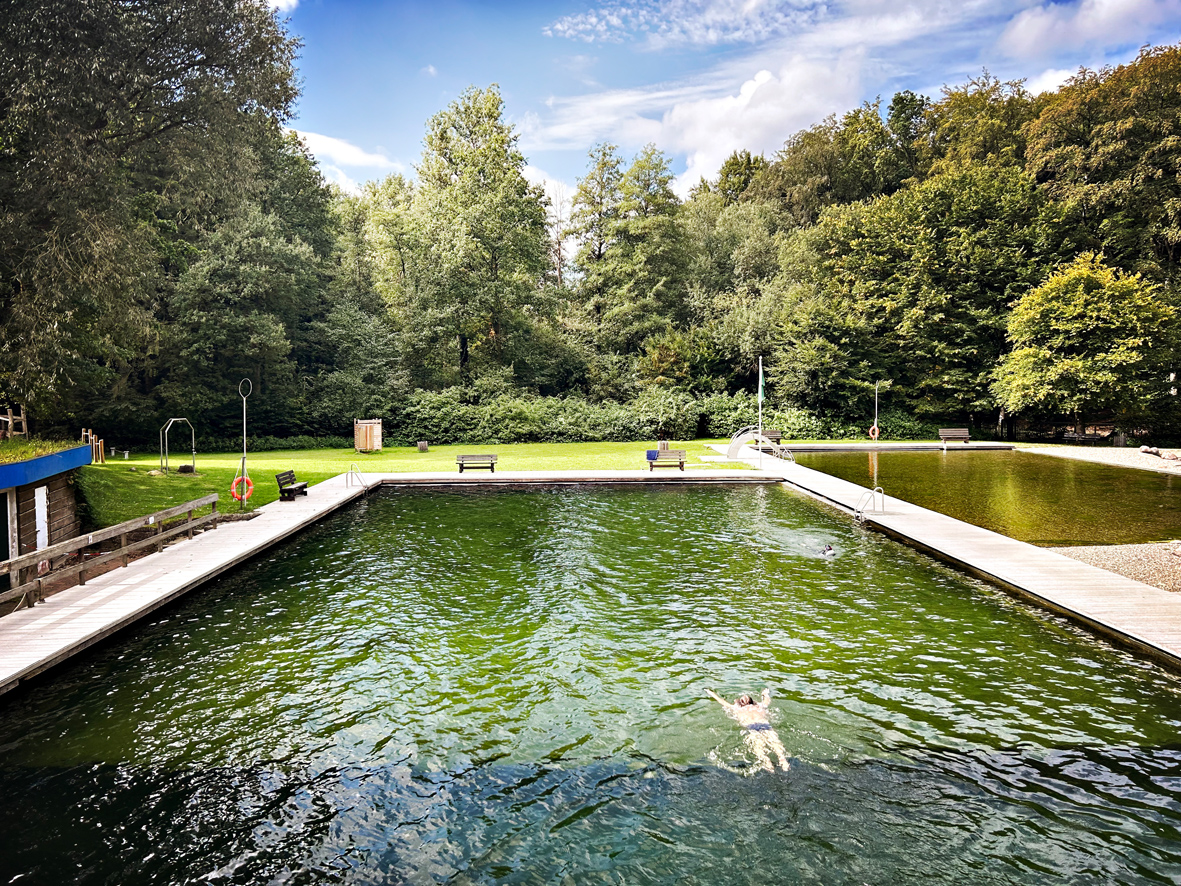
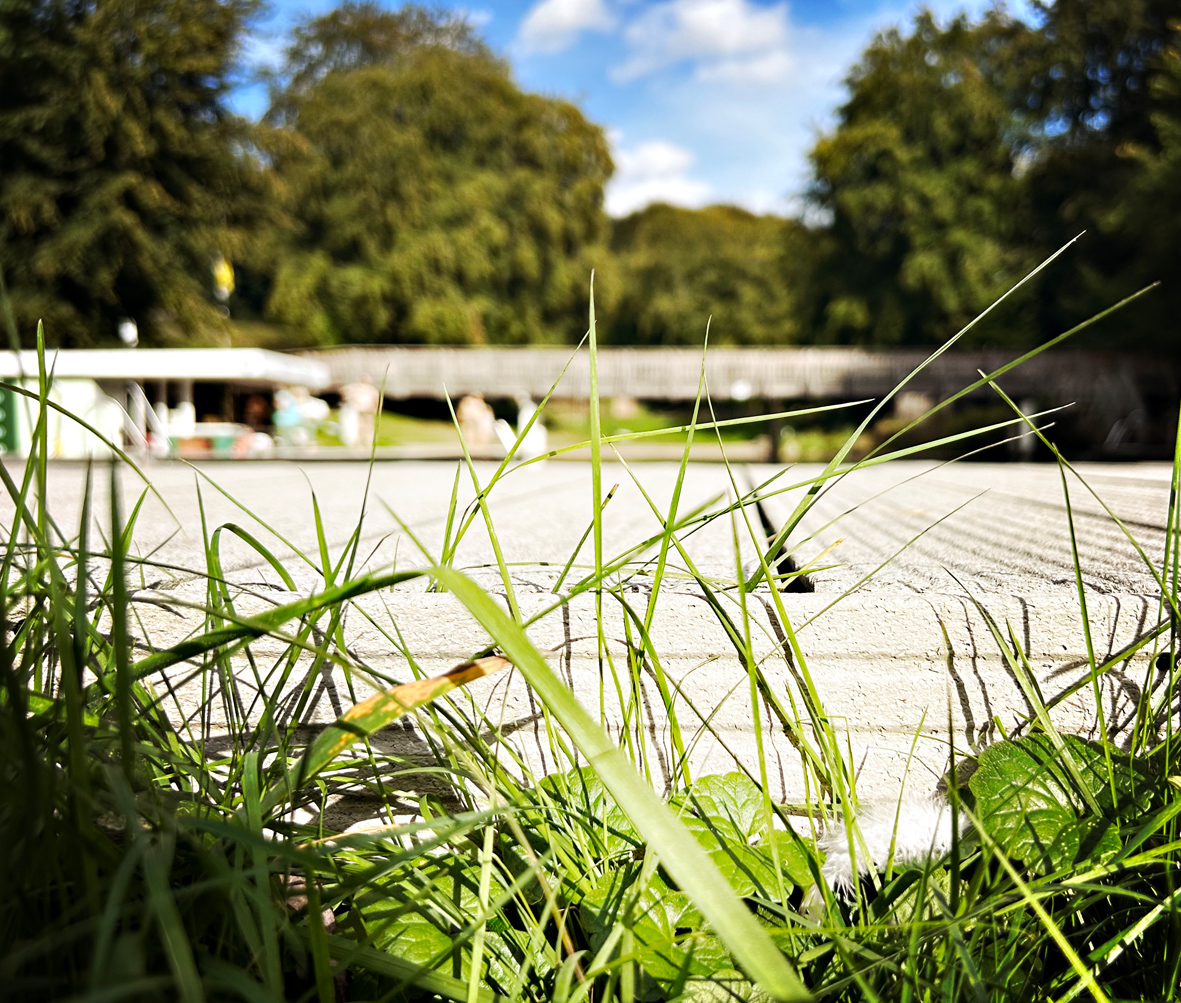
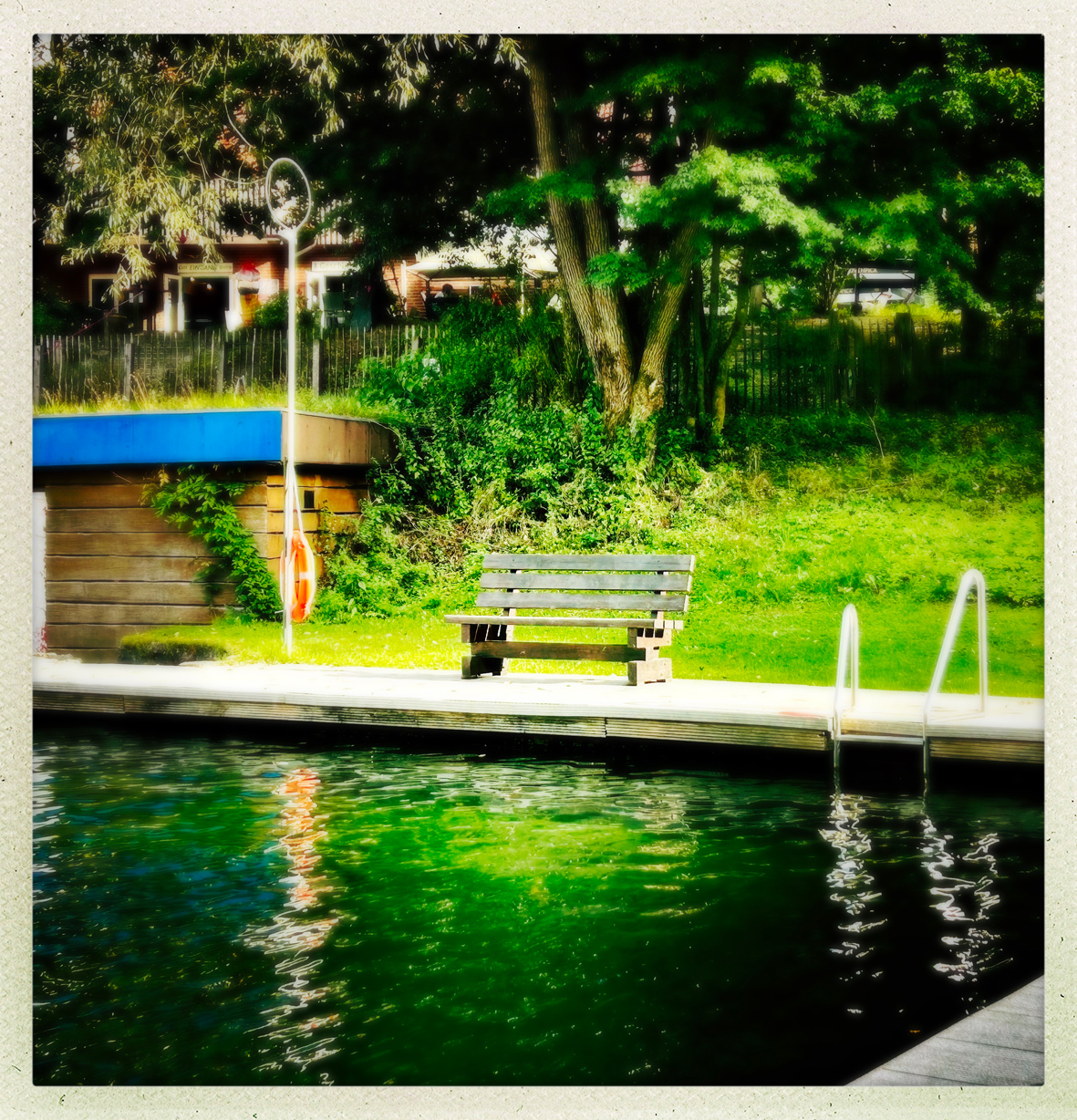
Until I went to the outdoor swimming pool. A wonderful natural swimming pool (“Aquadies”) – it was open for its last day and the weather was still summery. Only the water was freezing cold, 18° … but never mind!
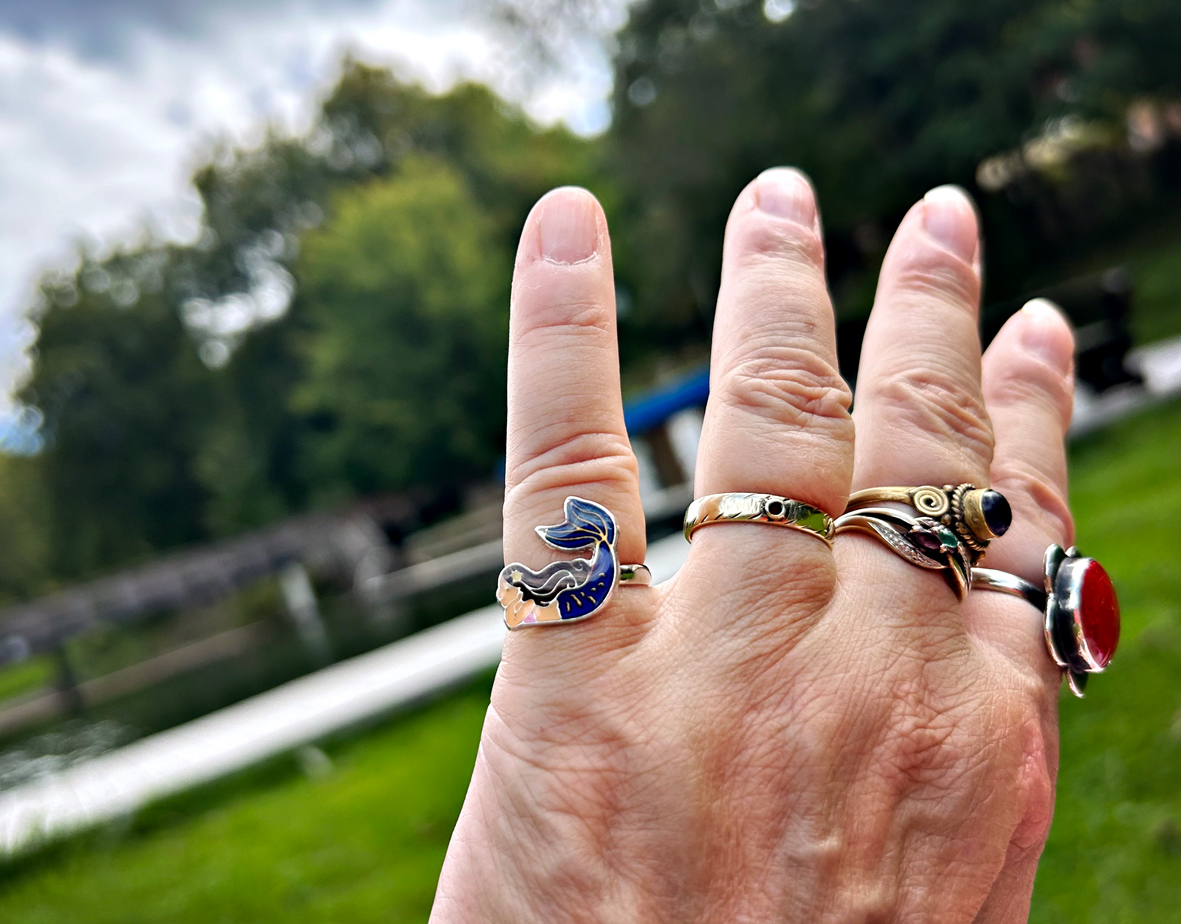
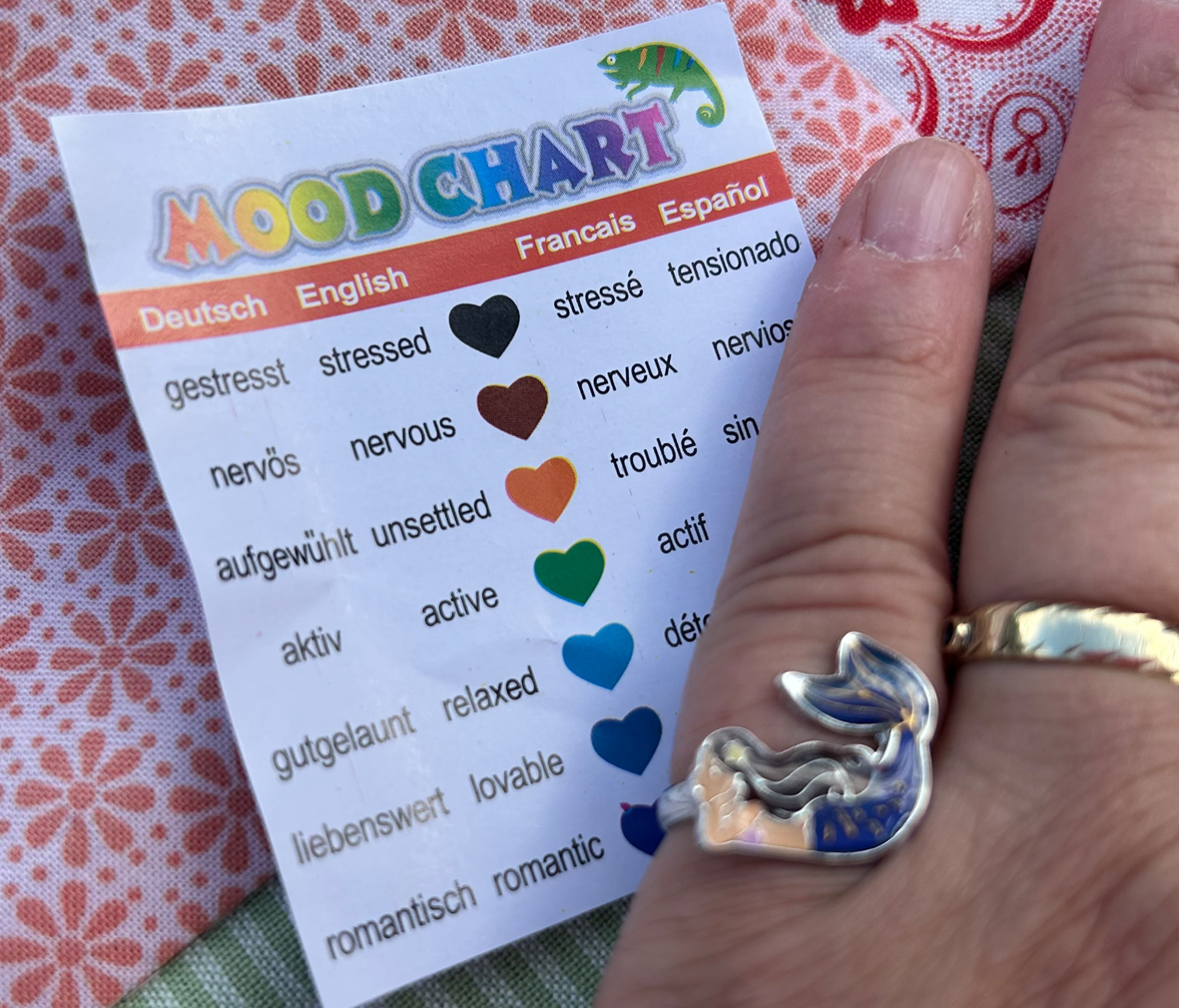
And what did I find in the pool shop? A Melusine ring! A mood ring complete with an explanation for just €4.50! I bought it straight away … and my first mood is deep blue. That means “romantic”. I’m not feeling particularly romantic, but where does the word come from? From Rome! So I have to go to Rome!
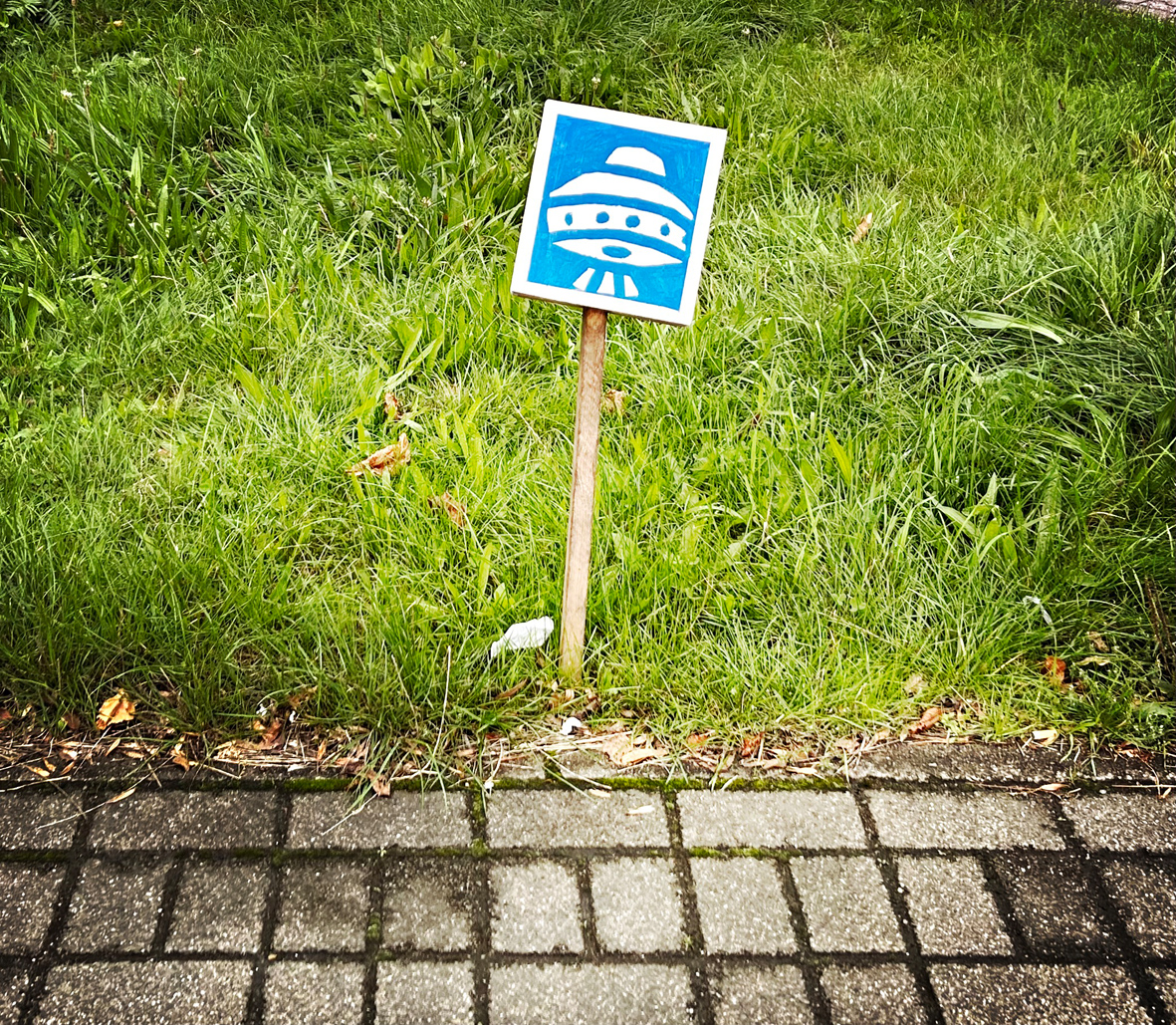
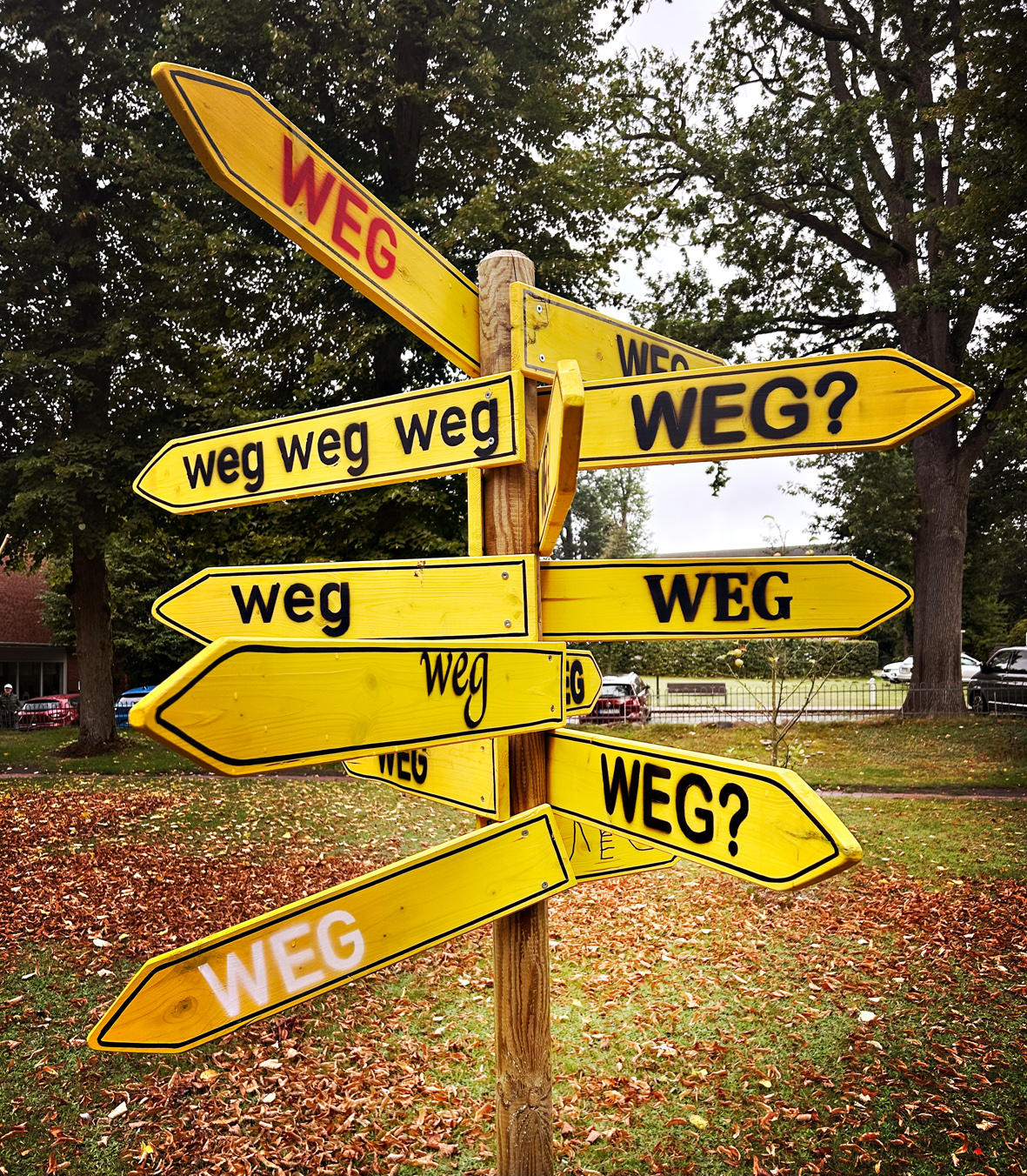
The photo I took the day before, with the ‘Weg / path’ signs, also points to this, because many roads lead to Rome!
And then I also like to read everything backwards, which gives me ‘Mor’ – suggesting the moor, but also ‘mother’ (Swedish) and ‘death’ (from the Latin prefix mor-). Also the name of the swimming pool means “Water Days” or “Days of Water”!! Which leads me somehow again to Melusine who I threw into the Atlantic … And more … la mère … la mer … the dead moor …
I think I’ve got a bucketful of inspiration!
… is one of the best! We happened to be there on the last day … they would close the day after!! And oooooh it was cold …
And on we go with my scavenger hunt film: after France in July, it’s on to Lüneburg and the heather in September.
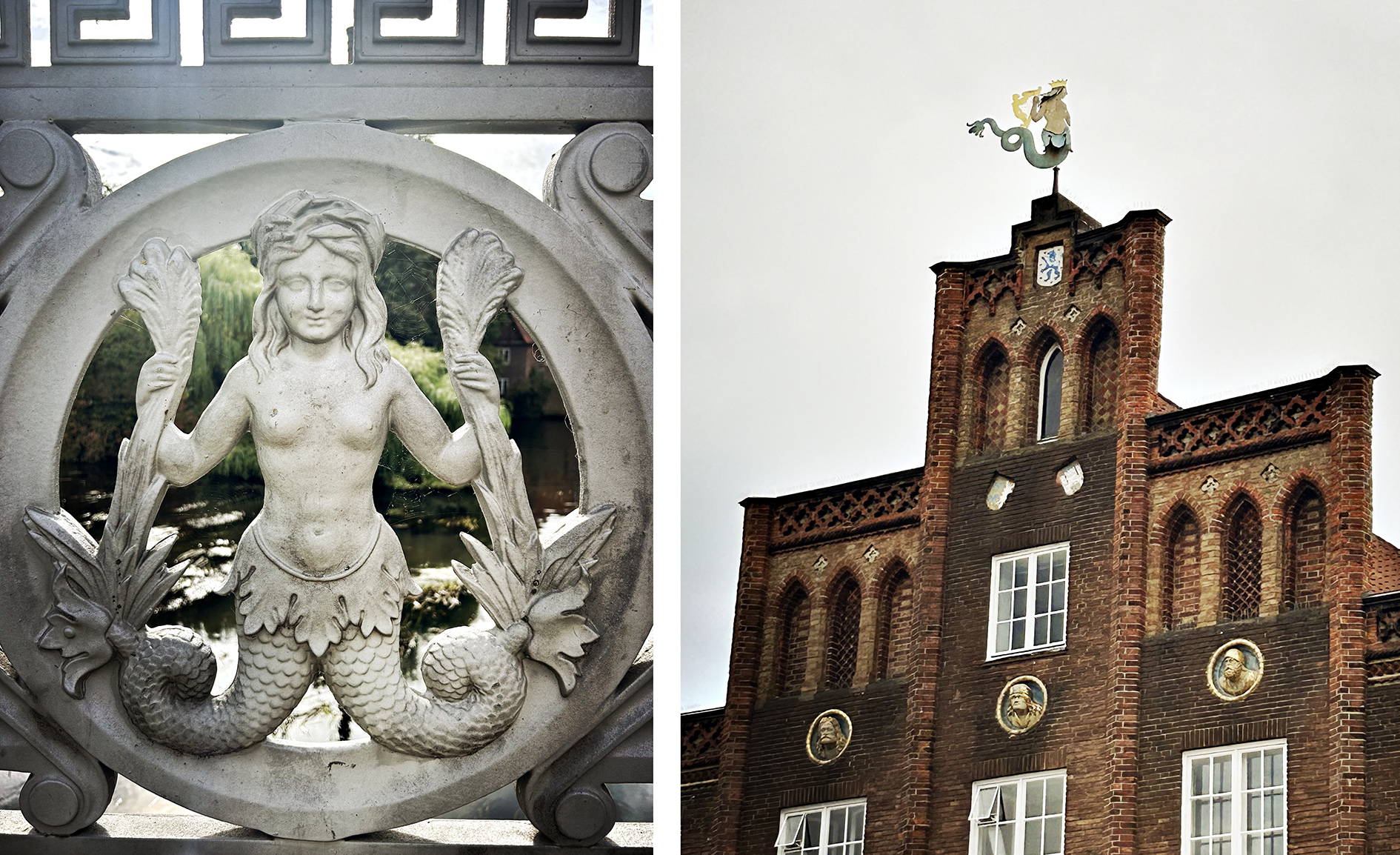
Melusine turns up in Lüneburg too, but actually I think this trail has come to an end – when I threw the Melusine shells into the Atlantic …
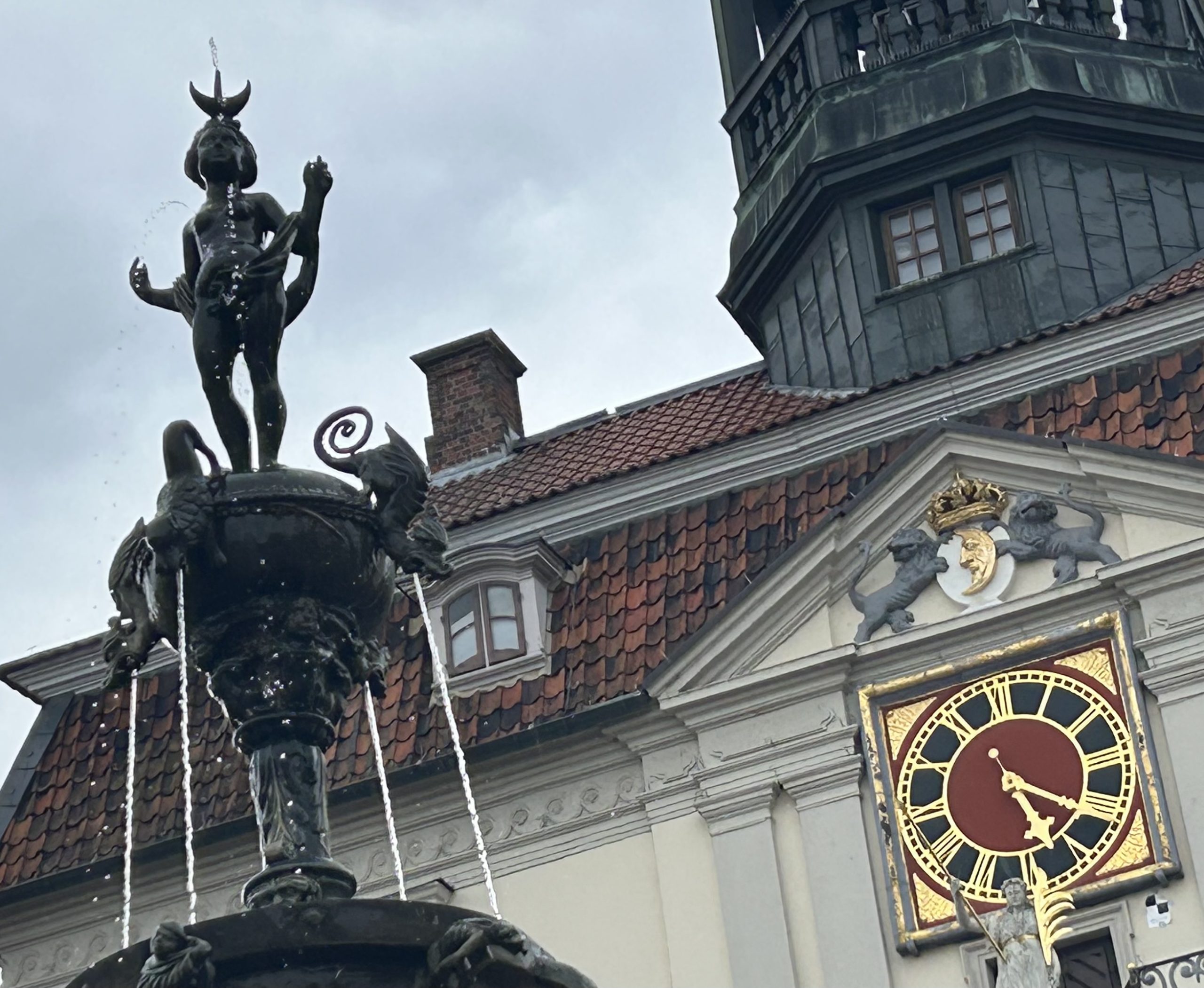
In Lüneburg, the theme is … well, I’m not quite sure yet; in the market square, there’s an Artemis fountain (goddess of the hunt, guardian of animals and of girls both young and old). She wears a crescent moon on her head; Lüneburg’s Roman name was Lunaburgum, but actually the name doesn’t come from Luna (= moon) but from the Old Saxon word Hluni (= refuge, protection).
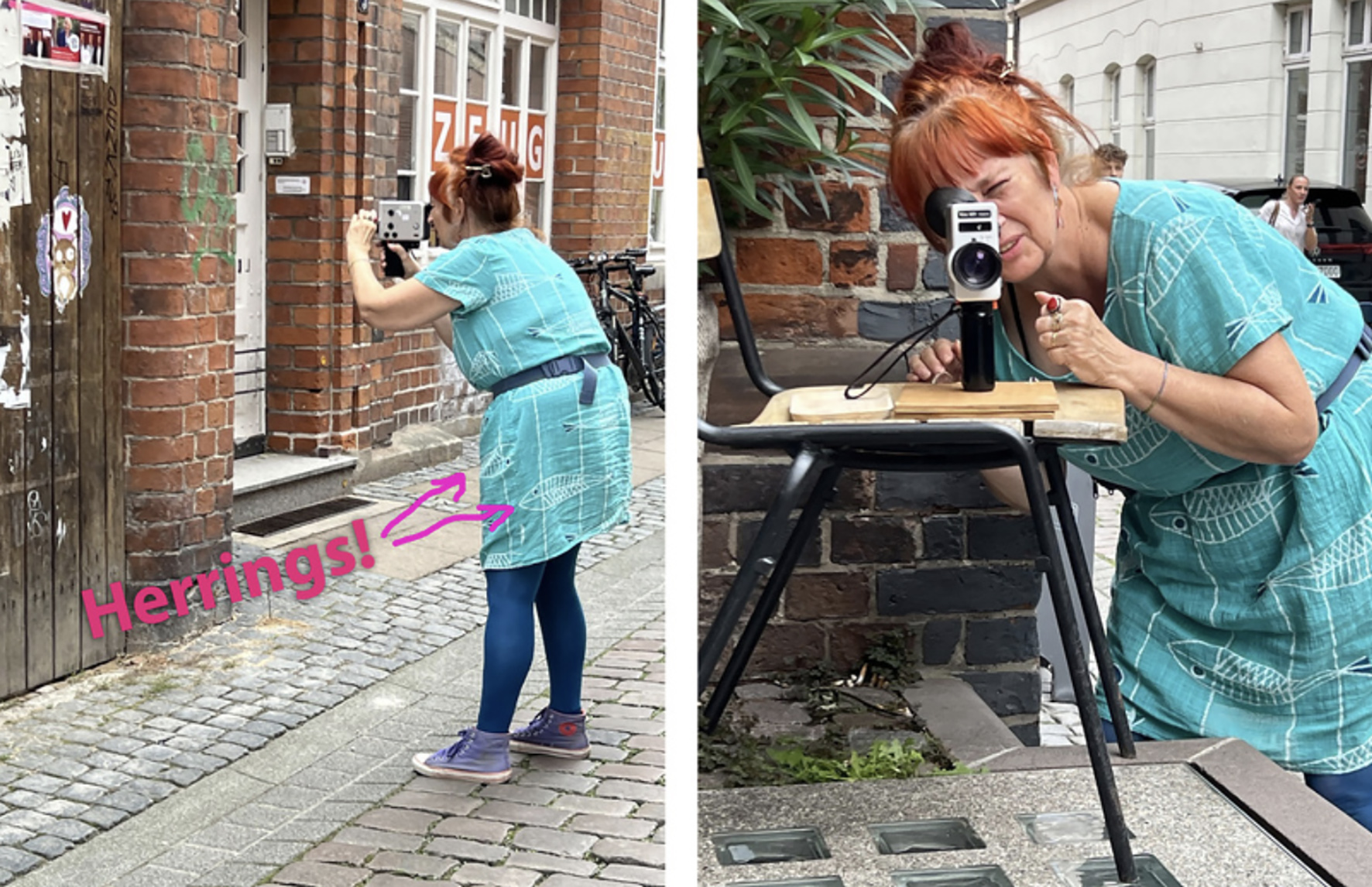
Now I’m in the Lüneburg Heather, a vast area of heatherland that formed hundreds of years ago when all forests were chopped down to provide wood for salt boiling. There was plenty of salt beneath the town; salt made Lüneburg rich – it was used, amongst other things, to salt Scandinavian herring.
What am I to make of all these stories? Wait and check and see …
And yes, some pinhole photos too …
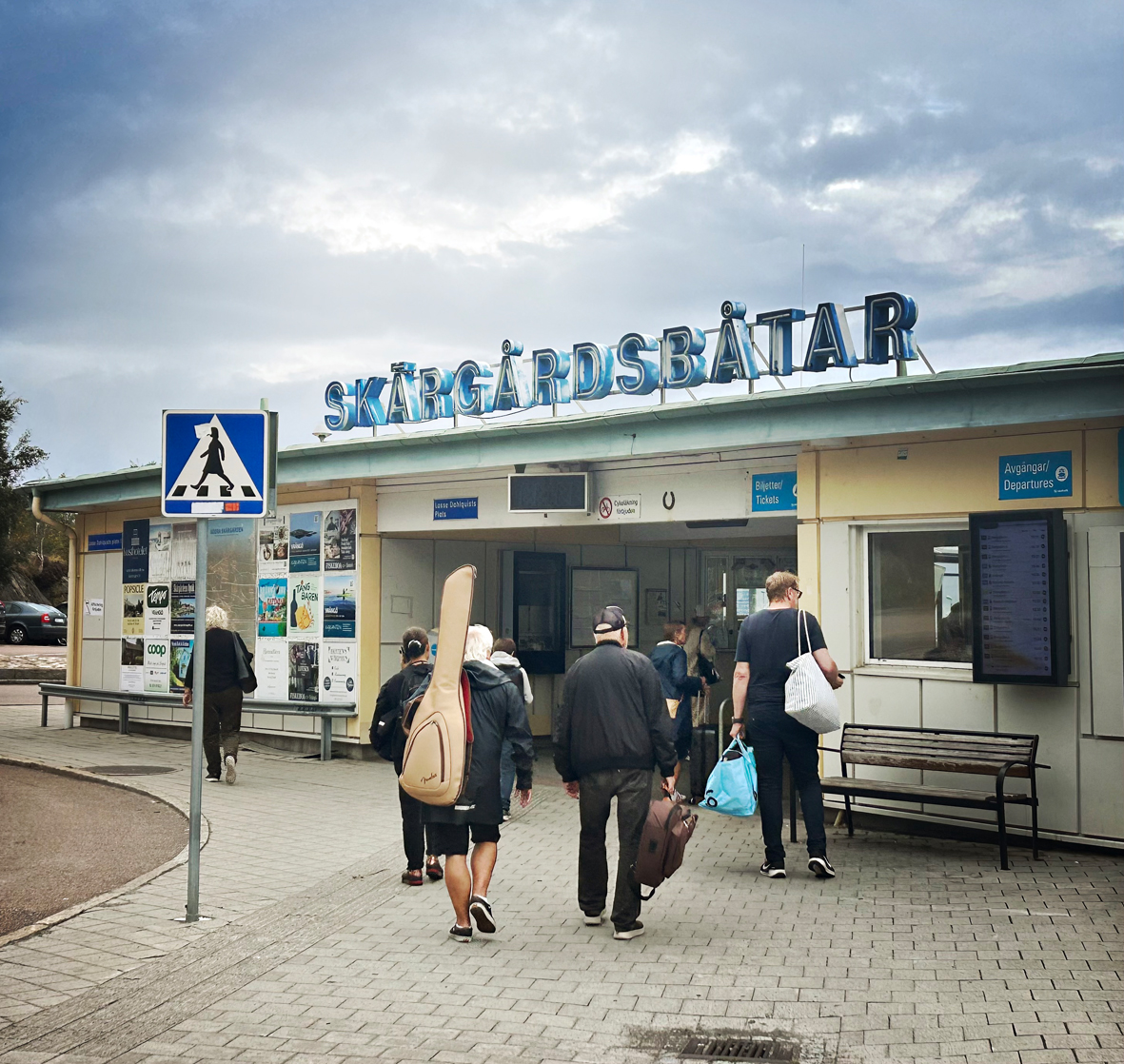
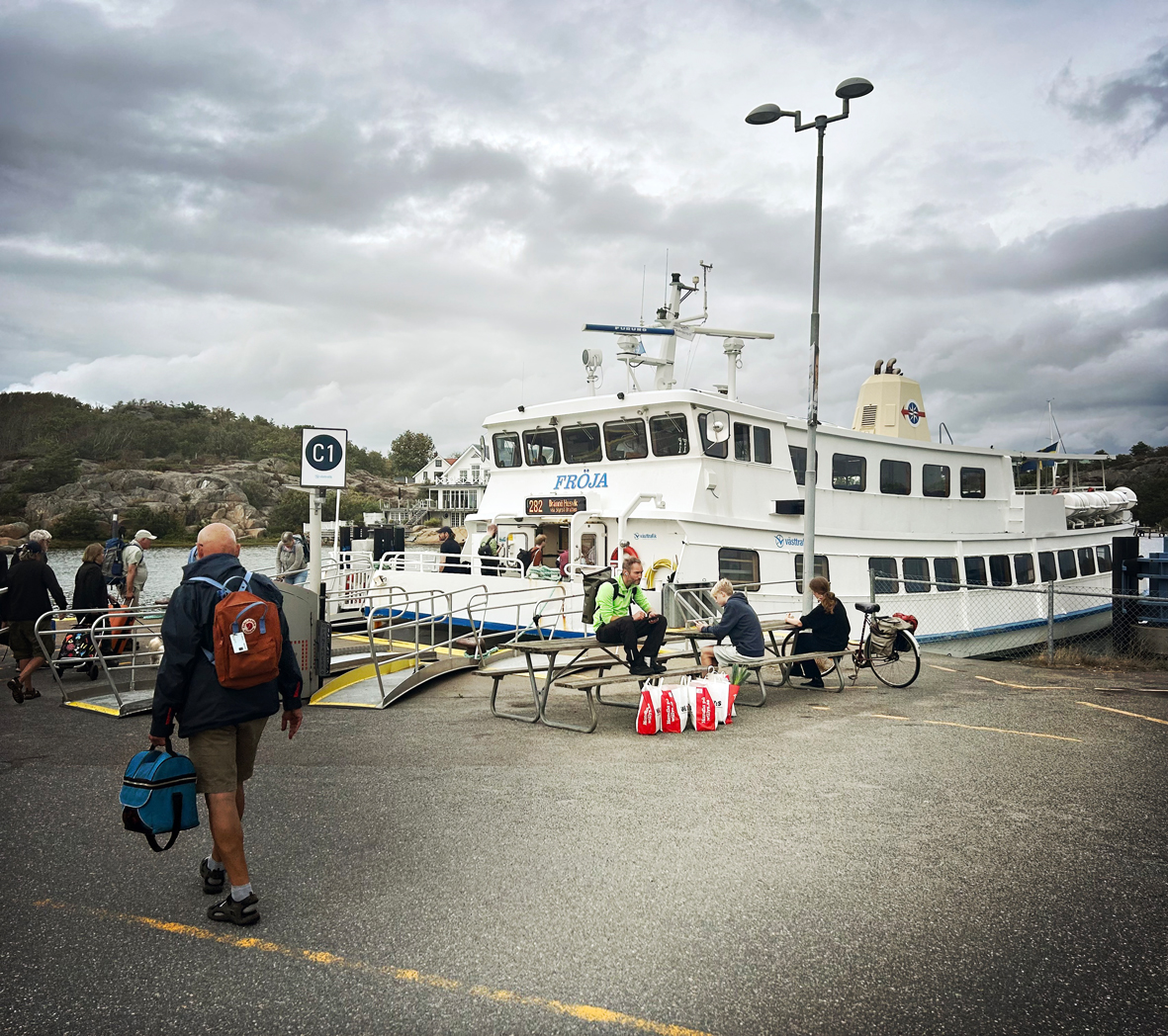
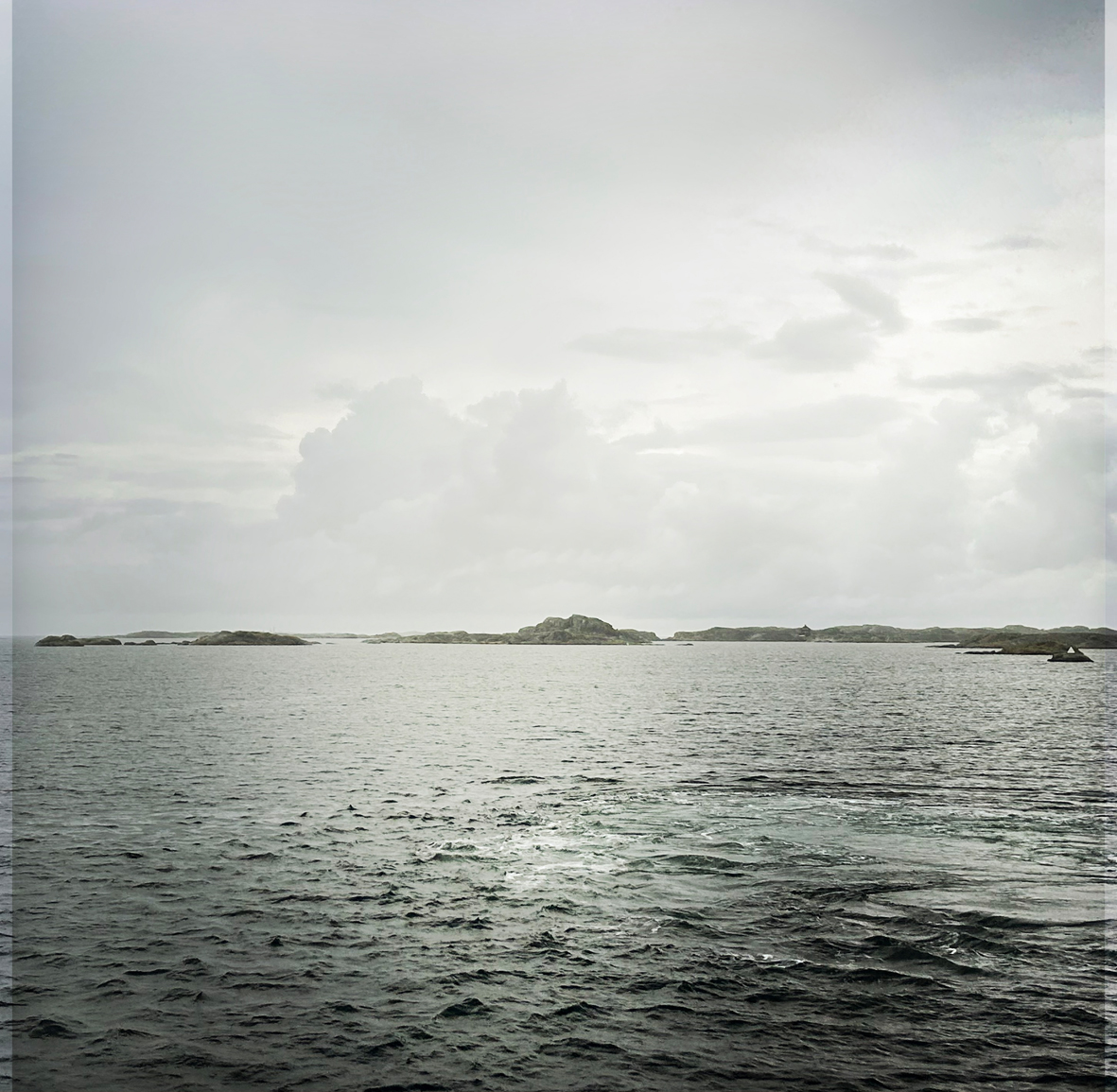
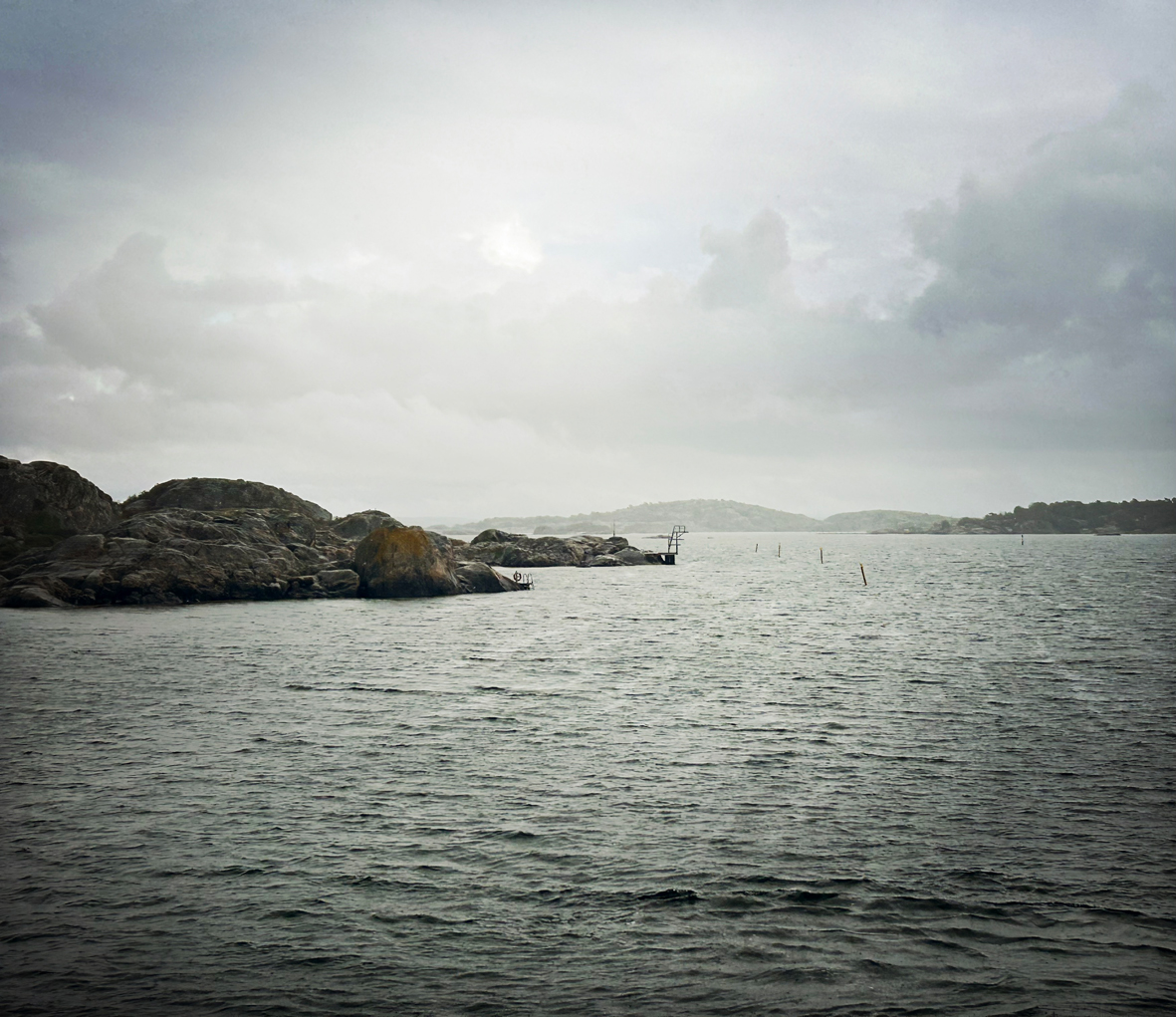
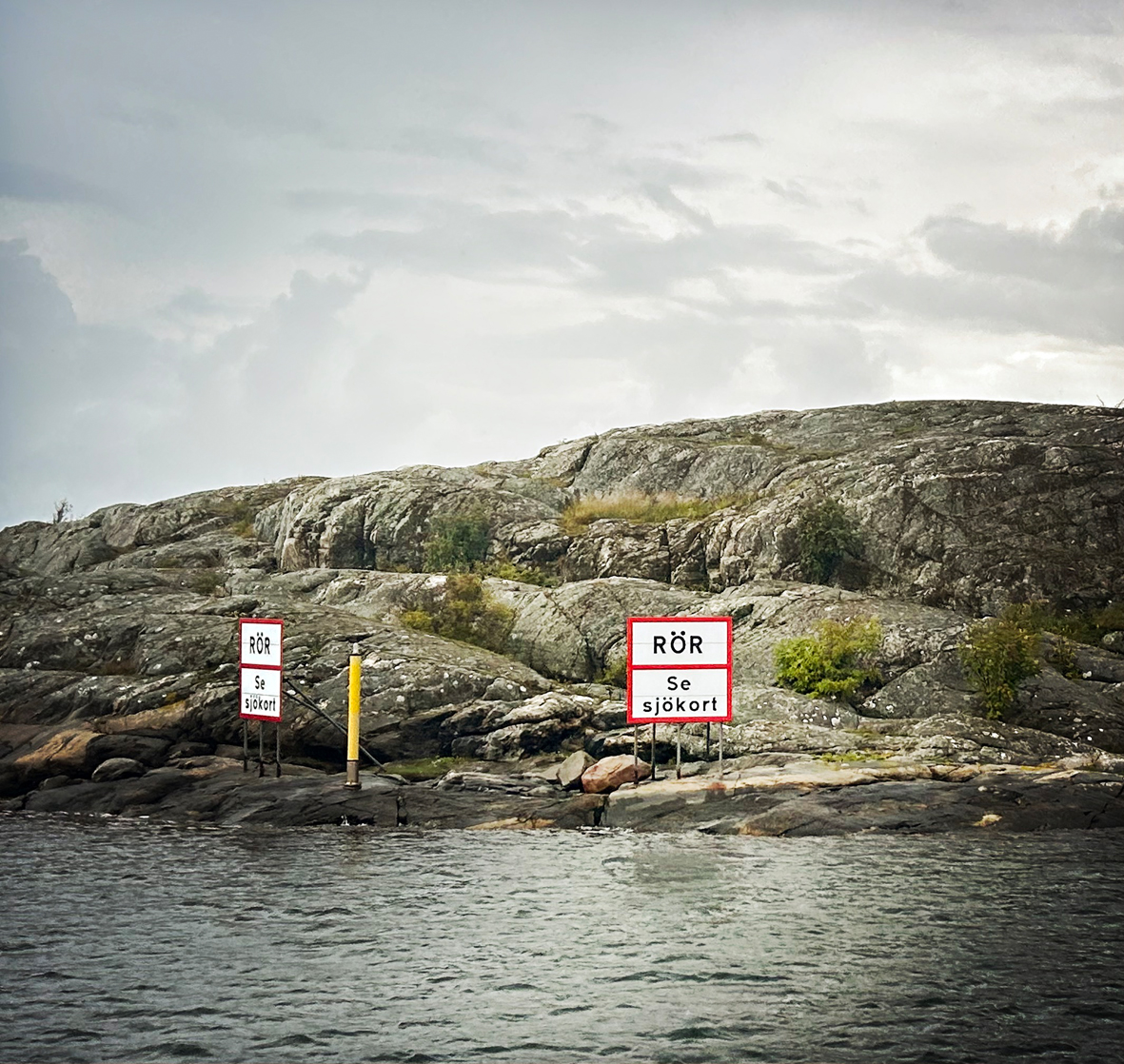
There’s a whole host of archipelago islands off the coast of Gothenburg. Every island name ends in -ö, which simply means ‘island’! Like Vrångö, Styrsö, Brännö, Hönö …
You just take the tram there and then the ferries; it’s all covered by one ticket (I had a 3-day ticket for about € 25 …) … Unfortunately, it was all rather grey that day, with a steady drizzle, so I travelled to Brännö for half an hour, enjoyed the sight of the deserted granite cliffs, and then headed straight back. It must be absolutely lovely in the height of summer!